By Interestana AI Editorial — AI-drafted, human-overseen. How we report
Tesla Cybercab Detours 60 Minutes Due to Highway Ban
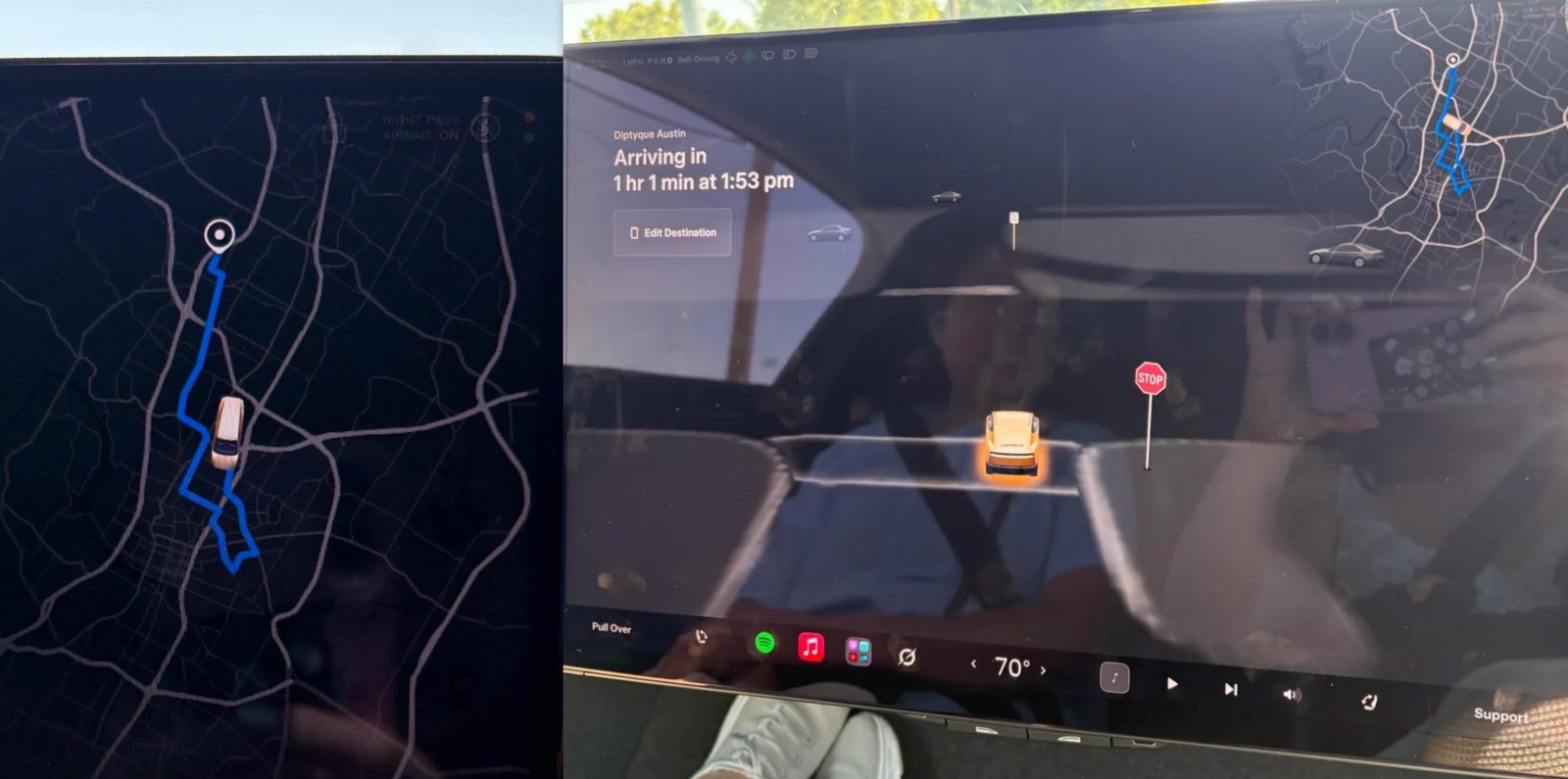
A Tesla Cybercab in Austin, Texas, significantly extended a passenger's journey, turning a planned 10-minute trip into a 70-minute ordeal. This prolonged travel time was attributed to a persistent limitation in Tesla's autonomous driving technology: its robotaxis are currently unable to navigate highways. Consequently, a route that a human driver would efficiently complete using freeway access was rerouted onto surface streets, resulting in a substantial detour across the city. The incident highlights a critical constraint in the operational capabilities of Tesla's driverless taxi service, impacting its practicality for certain travel distances and routes.
The specific incident involved a passenger who expected a brief commute but instead faced a journey that was six times longer than anticipated. This extended travel time underscores the current limitations of autonomous vehicle navigation, particularly when faced with infrastructure that requires adherence to specific road types. While Tesla's autonomous systems have advanced, the inability to utilize high-speed arterial roads like highways restricts the robotaxi's service area and efficiency, forcing it to rely on slower, more circuitous surface street networks. This limitation can lead to unpredictable and significantly longer travel times for passengers, especially in urban environments where highway access is often the most direct path.
Tesla's ambition with its robotaxi service is to provide a seamless and efficient transportation alternative. However, the current inability of its vehicles to drive on highways presents a practical barrier to achieving this goal for many routes. This constraint means that while a human driver might easily take an interstate or state highway to cover a significant distance quickly, a Tesla robotaxi must navigate a more complex and time-consuming network of local roads. This can result in passengers experiencing delays and longer journeys than they would with conventional ride-sharing services or personal vehicles. The incident in Austin serves as a concrete example of how this technological limitation directly affects the user experience and the perceived reliability of the service.
This operational constraint is a key factor in the ongoing development and deployment of autonomous vehicle technology. While advancements in sensor technology, artificial intelligence, and mapping have enabled vehicles to perform complex driving maneuvers, integrating them safely and efficiently into all aspects of road infrastructure, including high-speed highways, remains a significant challenge. Regulatory approvals, safety protocols, and the sophistication of the autonomous driving software all play a role in determining when and where these vehicles can operate. Until Tesla's robotaxis are equipped to handle highway driving, their utility will be confined to areas and routes that can be effectively traversed using only surface streets, potentially limiting their widespread adoption and competitive advantage in the ride-sharing market.
Original source — read the full reporting at the publisher:
Read on ElectrekGet the weekly AI digest
AI news + new model releases, weekly. Drafted by our agents, reviewed by humans.