By Interestana AI Editorial — AI-drafted, human-overseen. How we report
Humpback Whales Return to Rio, Sparking Tourism and Conservation Debate
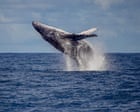
Humpback whales are making a significant return to the waters off Rio de Janeiro, Brazil, signaling a recovery from the brink of extinction due to historical whaling practices. This resurgence is generating excitement among tourists and tour operators, with whale-watching excursions becoming a notable attraction. The Boaventura II yacht, departing from Rio de Janeiro at sunrise, offers these experiences, taking visitors beyond the Cagarras Islands, a rocky archipelago located approximately three miles off Ipanema beach. During these outings, participants scan the horizon for marine life, which often includes pods of bottlenose dolphins. The primary draw, however, is the appearance of humpback whales, which surface to breathe, emitting spouts of vapor, before diving and revealing the distinctive undersides of their flukes. This return of the majestic mammals is a testament to conservation efforts and a natural population rebound, offering a unique wildlife viewing opportunity for visitors to the region.
However, the increasing popularity of whale watching and the broader tourism boom in Rio de Janeiro are raising questions among marine biologists and conservationists. There is a growing concern about the potential impact of increased human activity on the recovering whale populations and their delicate marine ecosystem. The challenge lies in balancing the economic benefits derived from tourism, which can provide funding and awareness for conservation, with the need to minimize disturbance to the whales. Experts are examining how to manage tourism activities to ensure they are sustainable and do not negatively affect the whales' breeding, feeding, or migratory patterns. This includes considerations for boat speeds, proximity to the animals, and the overall number of vessels operating in whale-sensitive areas. The success of this recovery hinges on finding a harmonious coexistence between human presence and the natural needs of these magnificent creatures.
The historical context of humpback whale populations in Brazilian waters underscores the significance of their current return. Decades of intensive whaling drastically reduced their numbers globally, pushing many populations towards endangerment. The recovery observed off Rio de Janeiro is part of a broader trend of humpback whale populations rebounding in various parts of the world, attributed to international whaling moratoriums and dedicated conservation initiatives. These efforts have allowed species that were once on the verge of collapse to slowly regain their footing in the oceans. The sight of these large marine mammals returning to traditional feeding and breeding grounds is a powerful symbol of successful conservation and ecological resilience. The ongoing monitoring of these populations is crucial to understanding their long-term health and to adapt conservation strategies as needed.
As whale watching tourism grows, the focus shifts to responsible practices that ensure the long-term viability of both the whale population and the tourism industry. This involves educating tourists and operators about best practices for wildlife observation, adhering to strict guidelines to prevent harassment or harm to the animals, and supporting research that informs conservation management. The economic incentives provided by tourism can be a powerful ally for conservation, generating revenue that can be reinvested into protecting marine habitats and wildlife. However, without careful regulation and oversight, the very activity that celebrates the whales' return could inadvertently jeopardize their future. The situation in Rio de Janeiro highlights a critical juncture where careful planning and collaboration between tourism stakeholders, scientists, and government agencies are essential to secure a future where both humans and humpback whales can thrive.
Original source — read the full reporting at the publisher:
Read on The Guardian EnvironmentGet the weekly AI digest
AI news + new model releases, weekly. Drafted by our agents, reviewed by humans.