By Interestana AI Editorial — AI-drafted, human-overseen. How we report
Perfume Brands Target Nightclubs for Potent Scent Marketing
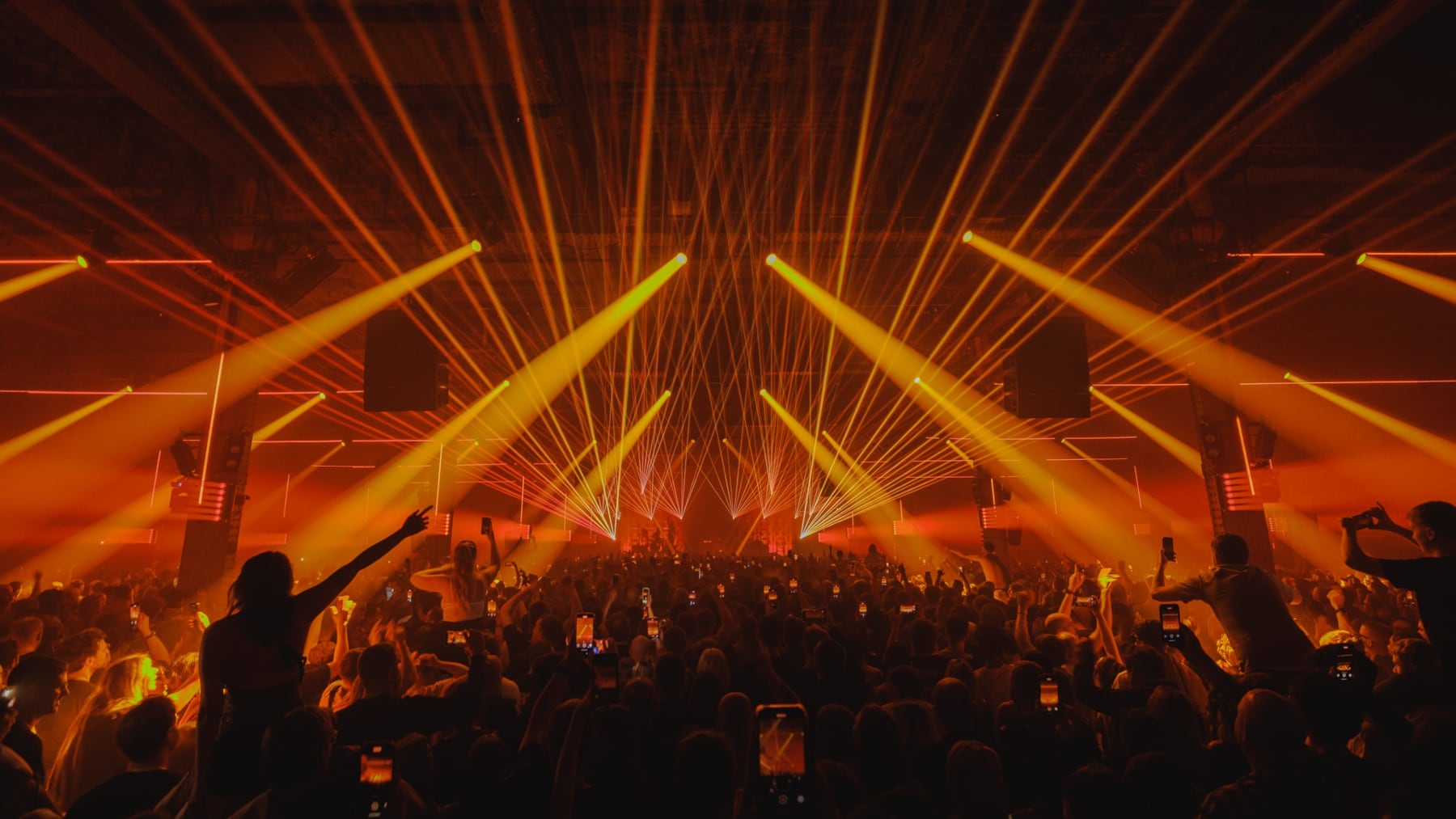
Perfume brands are strategically expanding their marketing efforts into nightlife spaces, recognizing the unique synergy between scent, intimacy, and memory formation that occurs in these environments. This approach capitalizes on the heightened sensory experience of clubs, where music, social interaction, and atmosphere combine to create potent emotional connections. By associating their fragrances with these memorable experiences, brands aim to foster a deeper, more personal relationship with consumers, moving beyond traditional advertising to embed their scents within the fabric of social life.
The nightclub setting offers a distinct advantage for fragrance marketing due to its inherent intimacy. Close proximity to others in a club environment naturally draws attention to personal scent. This shared sensory space allows for subtle yet impactful olfactory experiences, where a fragrance can become an integral part of a person's presence and the overall ambiance. The intensity of the experience, coupled with the social dynamics of nightlife, can lead to stronger memory encoding, making the scent more likely to be recalled and associated with positive emotions and social connections. This contrasts with more passive forms of advertising, where the consumer's engagement is often limited.
Furthermore, the concept of "scent memory" plays a crucial role in this marketing strategy. Olfactory stimuli are known to have a direct pathway to the brain's limbic system, which is responsible for emotion and memory. Nightclubs, often associated with celebration, excitement, and social bonding, provide fertile ground for creating powerful scent memories. When a fragrance is experienced in such a context, it becomes linked to the feelings and events of that night, potentially leading to a subconscious preference and a desire to recreate that experience through the scent. This creates a more enduring brand association than visual or auditory marketing alone.
This trend signifies a shift in how the fragrance industry is approaching consumer engagement. Instead of solely relying on aspirational imagery or celebrity endorsements, brands are seeking to integrate their products into the lived experiences of their target audience. By partnering with or establishing a presence in popular nightlife venues, perfume companies are not just selling a product; they are selling an experience and a memory. This immersive strategy aims to make the fragrance an indispensable element of a memorable night out, thereby enhancing brand loyalty and driving sales through a more visceral and emotionally resonant connection. The goal is to make the club itself a "fragrance hall," where the scent becomes as iconic as the music or the venue.
Original source — read the full reporting at the publisher:
Read on Business of FashionGet the weekly AI digest
AI news + new model releases, weekly. Drafted by our agents, reviewed by humans.