By Interestana AI Editorial — AI-drafted, human-overseen. How we report
Illegal Gold Mining Surpasses Cocaine in Peru's Criminal Economy
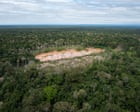
Illegal gold mining has overtaken cocaine production to become Peru's most profitable criminal industry, driven by surging global gold prices. This illicit activity is causing widespread environmental destruction, particularly in protected areas like the Tambopata National Reserve. The Guardian's reporting details a confrontation between Peruvian Navy Seals and illegal miners operating in a massive rainforest crater. Commandos fired warning shots to halt a fleeing miner who disappeared into the dense jungle, while other marines prepared to detonate dynamite charges on a wooden raft. This raft was equipped with a diesel-powered suction pump and plastic tubing, designed to extract gold particles from river sediment within the crater, which was filled with opaque, stagnant water.
The scale of illegal mining operations is immense, creating football pitch-sized craters in the rainforest. These operations are not only environmentally destructive but also pose significant risks to those involved, as evidenced by the military intervention. The shift in profitability from cocaine to gold highlights a complex and evolving criminal landscape in Peru. While cocaine trafficking has long been a major concern for law enforcement and international bodies, the economic incentives for illegal gold extraction have apparently grown to surpass it.
The environmental consequences are severe. The Tambopata National Reserve, a biodiversity hotspot, is being significantly degraded by these mining activities. The process involves deforestation, soil erosion, and water contamination, impacting the delicate ecosystems and the wildlife they support. The use of mercury in artisanal gold mining, a common practice, further pollutes rivers and can have devastating long-term effects on human health and the environment. The sheer profitability of illegal gold mining incentivizes miners to push further into protected areas, making enforcement challenging for authorities.
Peruvian authorities, including the Navy Seals and marines, are actively engaged in efforts to combat these illegal operations. However, the vastness of the Amazonian rainforest and the economic drivers behind the mining make it a persistent challenge. The confrontation described illustrates the dangerous nature of these operations and the risks involved for both the miners and the law enforcement personnel attempting to interdict them. The economic shift suggests that illicit gold mining is not only a significant environmental issue but also a major challenge for Peru's national security and economy, requiring sustained and multifaceted intervention strategies.
Original source — read the full reporting at the publisher:
Read on The Guardian EnvironmentGet the weekly AI digest
AI news + new model releases, weekly. Drafted by our agents, reviewed by humans.