By Interestana AI Editorial — AI-drafted, human-overseen. How we report
California Braces for Extreme Winter Weather
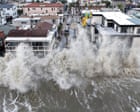
California is preparing for a winter characterized by an unprecedented convergence of extreme weather events, including severe floods, intensified wildfires, and powerful storms, driven by the strongest El Niño on record. This meteorological phenomenon, described by forecasters with terms like "super" and "Godzilla," is expected to significantly elevate weather risks across the state and globally. The National Weather Service has already issued coastal flood advisories for the San Francisco Bay Area in September, a rare occurrence, signaling the early onset of these hazardous conditions. These advisories followed instances where floodwaters inundated intersections and eroded beaches along the California coast, underscoring the immediate impact of the developing weather patterns.
The strengthening El Niño is poised to exacerbate existing vulnerabilities in California, a state that continues to grapple with the persistent threat of wildfires and extreme heat. The combination of these hazards presents a complex and formidable challenge for both residents and emergency management agencies. Compounding these environmental risks, California's disaster response capabilities have been weakened by recent budget cuts. These reductions in funding and resources may hinder the state's ability to effectively prepare for, respond to, and recover from the anticipated cascade of natural disasters. The convergence of a powerful El Niño and diminished disaster response capacity creates a precarious situation, demanding proactive measures and strategic resource allocation to mitigate potential impacts.
Scientists and emergency managers are issuing urgent warnings about the potential for extreme weather escalation, emphasizing that the current conditions are merely an early indicator of the tumultuous winter ahead. The unusual strength of the El Niño suggests that its influence on weather patterns could extend beyond typical expectations, leading to a prolonged period of heightened risk. The implications of such extreme weather events extend beyond immediate safety concerns, potentially impacting infrastructure, agriculture, and the state's economy. The need for robust preparedness and response strategies is therefore paramount as California navigates this period of significant environmental challenge. The state's reliance on federal and state resources for disaster management means that any reduction in these capacities could have severe consequences when faced with a crisis of this magnitude.
Original source — read the full reporting at the publisher:
Read on The Guardian EnvironmentGet the weekly AI digest
AI news + new model releases, weekly. Drafted by our agents, reviewed by humans.