By Interestana AI Editorial — AI-drafted, human-overseen. How we report
Toyota Dealer Cuts Energy Costs 55% With Solar, Battery, AI
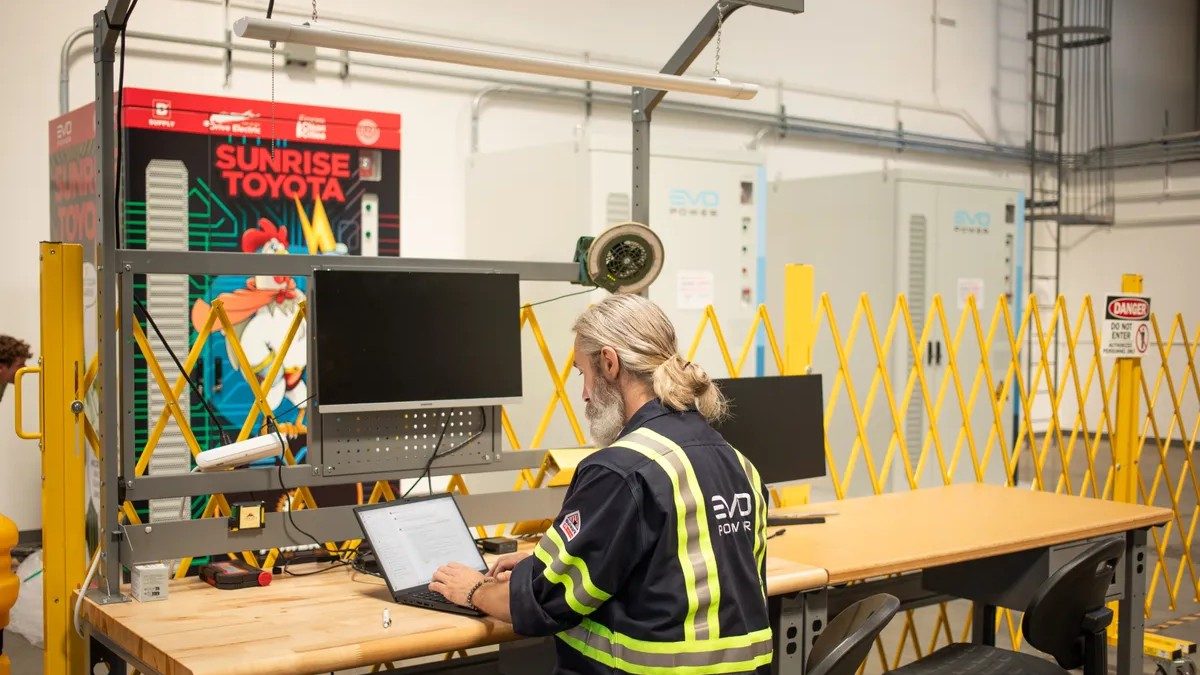
A Toyota dealership located on Long Island has reported a significant reduction in its energy expenditures, achieving an average decrease of 55% over a three-month period. This substantial cost saving was realized through a comprehensive strategy that integrated multiple advanced energy technologies. The dealership implemented a system that combines solar panel installation, battery energy storage solutions, and the deployment of DC fast chargers for electric vehicles. Crucially, these components were managed by an artificial intelligence (AI)-powered energy management system, which optimized their collective operation.
The dealership's initiative addresses the growing energy demands associated with electric vehicle (EV) charging infrastructure, particularly the high power consumption of DC fast chargers. By strategically combining on-site renewable energy generation from solar panels with the ability to store and deploy energy from battery systems, the dealership aimed to mitigate reliance on the grid during peak demand periods. The AI component plays a pivotal role in this integration, analyzing energy generation from solar, battery charge levels, grid electricity prices, and the predicted demand from EV charging to make real-time decisions. This intelligent management ensures that energy is sourced and utilized in the most cost-effective and efficient manner possible.
This integrated approach allows the dealership to leverage solar energy when it is abundant and store excess energy for later use, such as during evening hours or when solar generation is low. The battery storage system acts as a buffer, enabling the dealership to discharge stored energy to power its operations or charge EVs, thereby reducing the need to draw expensive electricity from the grid. Furthermore, the AI system can predict charging needs and optimize charging schedules to coincide with periods of lower electricity rates or higher solar availability, further contributing to cost savings.
The implementation of DC fast chargers, while essential for supporting EV customers, represents a significant energy load. By managing these chargers intelligently, the AI system can potentially stagger charging sessions or utilize stored battery power to meet demand without overwhelming the local grid or incurring excessive peak demand charges from the utility. This holistic energy management strategy not only benefits the dealership financially but also contributes to a more stable and sustainable energy ecosystem by reducing strain on the grid and maximizing the use of renewable energy sources. The success of this dealership's approach could serve as a model for other automotive businesses and commercial entities looking to manage their energy consumption and costs more effectively in an era of increasing electrification and energy price volatility.
Original source — read the full reporting at the publisher:
Read on ElectrekGet the weekly AI digest
AI news + new model releases, weekly. Drafted by our agents, reviewed by humans.