By Interestana AI Editorial — AI-drafted, human-overseen. How we report
House Votes Third Time to End Iran War
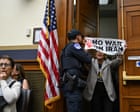
The US House of Representatives has voted for a third time to end the war in Iran, approving a war powers resolution that would limit President Donald Trump's ability to conduct military operations without congressional authorization. This symbolic vote is expected to be the last on the issue before the upcoming midterm elections, highlighting ongoing congressional efforts to assert oversight over military engagements. The resolution aims to reassert Congress's constitutional authority to declare war and control military funding, particularly in the context of the protracted conflict in Iran.
In parallel developments concerning military aid and foreign policy, the Trump administration is reportedly planning to supply Israel with one-ton bombs. This decision comes after the Biden administration had previously withheld similar munitions due to concerns about their use in civilian casualties in Gaza. The proposed transfer of these specific types of bombs, described as one-ton, underscores the complex geopolitical considerations and the administration's balancing act between supporting allies and addressing humanitarian concerns. The total value of the military aid package is $2.8 billion.
Separately, political figures are navigating various legal and electoral challenges. President Donald Trump reportedly reacted with anger upon learning that Democratic congresswoman Joyce Beatty had again succeeded in a lawsuit. This legal victory resulted in Trump's name being removed from the facade of the Kennedy Center, a significant cultural institution. Beatty, who serves as a trustee of the Kennedy Center, has been a vocal critic of Trump's policies and actions. The lawsuit's outcome signifies a notable legal setback for the former president.
In the electoral arena, the Michigan Senate debate in Detroit featured a notable absence. The Democratic nominee, Dr. Abdul El-Sayed, was present, but his Republican rival, Mike Rogers, chose not to attend the televised event. This one-sided debate format allowed El-Sayed to present his platform without direct challenge, potentially influencing voter perceptions in the state. Meanwhile, US Attorney General Todd Blanche informed reporters at the White House of an impending "big development" concerning the federal effort to curb non-citizen voting. This announcement was to be made by Ryan Raybould, the US attorney for the Northern District of Texas, indicating a focus on election integrity and enforcement measures.
Original source — read the full reporting at the publisher:
Read on The Guardian WorldGet the weekly AI digest
AI news + new model releases, weekly. Drafted by our agents, reviewed by humans.