By Interestana AI Editorial — AI-drafted, human-overseen. How we report
Trump EPA Pollution Rules for Power Plants Called 'Dead Wrong'
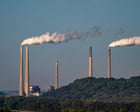
The Environmental Protection Agency (EPA) under the Trump administration announced on September 14, 2026, its intention to eliminate all emission limits for coal and gas power plants, a move that critics argue will allow these facilities to release unlimited amounts of greenhouse gases contributing to global warming. This action is part of a wider strategy to dismantle the legal framework that empowers U.S. administrations to address the climate crisis. The administration's justification for this rollback rests on two primary claims: that removing these regulations will lead to reduced electricity costs for consumers and that the resulting pollution will have negligible effects on the climate. However, these assertions face significant challenges when subjected to factual examination.
The argument that deregulation will lower energy bills is contested by numerous analyses. Critics point out that the cost of electricity is influenced by a multitude of factors, including fuel prices, transmission infrastructure, and market dynamics, with pollution control representing a relatively small component of the overall expense. Furthermore, the long-term economic consequences of unchecked climate change, such as increased costs from extreme weather events, infrastructure damage, and public health crises, are projected to far outweigh any short-term savings from reduced environmental compliance. The EPA's own previous assessments have indicated that the benefits of pollution controls, including improved public health and reduced climate-related damages, significantly exceed their costs.
Regarding the claim of minimal climate impact, scientific consensus overwhelmingly indicates that greenhouse gas emissions from power plants are a major driver of climate change. The Intergovernmental Panel on Climate Change (IPCC) has repeatedly documented the link between rising global temperatures and the accumulation of carbon dioxide and other pollutants in the atmosphere, largely from the burning of fossil fuels. Removing limits on these emissions directly contradicts established climate science and undermines international efforts to mitigate global warming. The EPA's decision is seen by environmental groups and climate scientists as a direct repudiation of scientific evidence and a dangerous step backward in addressing one of the most pressing global challenges.
This rollback of pollution standards for power plants follows similar actions taken by the Trump administration concerning emissions from vehicles. The broader implication of these policies is a weakening of environmental protections and a departure from commitments made under international climate agreements. The legal authority of the EPA to regulate greenhouse gas emissions has been a subject of contention, and this move seeks to curtail that authority, potentially leaving future administrations with limited tools to combat climate change. Environmental organizations and public health advocates have vowed to challenge these regulations in court, arguing that they violate the Clean Air Act and endanger public welfare.
Original source — read the full reporting at the publisher:
Read on The Guardian WorldGet the weekly AI digest
AI news + new model releases, weekly. Drafted by our agents, reviewed by humans.