By Interestana AI Editorial — AI-drafted, human-overseen. How we report
El Niño Winds Threaten England's Drought-Stressed Trees
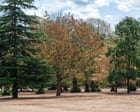
High winds associated with the El Niño weather pattern pose a significant mortality risk to England's trees, which have been severely weakened by a prolonged period of extreme heat and drought. Experts have expressed grave concerns about the potential impact on tree collections, particularly as the autumn season approaches. The summer of 2026 saw much of Europe, including England, endure a series of record-breaking heatwaves, leading to widespread drought conditions. This extreme weather has caused significant stress to vegetation across England's countryside, transforming once-green landscapes into parched, brown terrain. Many trees have responded to the intense heat by entering an "early autumn" phase, shedding their leaves prematurely as a survival mechanism to conserve water and cope with the arid conditions. This early leaf drop, coupled with the general brittleness induced by the heat and lack of moisture, leaves trees particularly vulnerable to physical damage from strong winds.
The Head of Tree Collections at Kew Gardens has voiced particular apprehension regarding the outlook for the upcoming autumn. This institution, renowned for its extensive and diverse collection of tree species, is at the forefront of monitoring the health of arboreal populations. The combination of a desiccated root system and brittle branches makes trees susceptible to snapping or uprooting during gale-force winds, a common phenomenon during El Niño events. El Niño is a climate pattern characterized by the unusual warming of surface waters in the eastern tropical Pacific Ocean, which can lead to significant shifts in global weather patterns, including increased storm activity and altered wind patterns in regions like the UK. The current state of England's trees, having endured months of heat and drought, means they are less resilient to the mechanical stress that strong winds can impose. This vulnerability extends to various species, including ancient oak trees that have already shown signs of dying due to the extreme hot and dry weather experienced throughout the summer. The long-term consequences could include a significant loss of tree cover, impacting biodiversity, landscape aesthetics, and the ecological services provided by these mature trees. The situation highlights the compounding effects of climate change, where extreme weather events like heatwaves and droughts are exacerbated, and subsequent weather phenomena like strong winds can have devastating consequences on already compromised ecosystems. The warning underscores the urgent need for continued monitoring and potential intervention strategies to mitigate the anticipated tree mortality.
Original source — read the full reporting at the publisher:
Read on The Guardian WorldGet the weekly AI digest
AI news + new model releases, weekly. Drafted by our agents, reviewed by humans.