By Interestana AI Editorial — AI-drafted, human-overseen. How we report
Western US Heatwave Intensifies Wildfire Risk
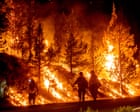
A significant heatwave is currently impacting the western United States, elevating the risk of hazardous fire conditions across the region. This extreme weather event is particularly concerning in the states of Oregon and Washington, where a combination of low humidity and strong winds has placed officials on high alert for potential wildfire spread. The National Weather Service has issued forecasts predicting scorching temperatures that are expected to persist through early next week. In the southwestern parts of the US, temperatures could reach between 110 degrees Fahrenheit and 120 degrees Fahrenheit. Meanwhile, in the Pacific Northwest, daily high temperatures are anticipated to reach into the 90s Fahrenheit over the coming days. These elevated temperatures, coupled with dry conditions and wind, create an environment highly conducive to the ignition and rapid propagation of wildfires. Fire management agencies are closely monitoring the situation and preparing for increased wildfire activity. The prolonged period of high temperatures and low humidity puts significant stress on vegetation, making it more susceptible to burning. This situation is exacerbated by the prevailing wind patterns, which can quickly fan flames and spread fires over large areas. Residents in affected areas are being urged to exercise extreme caution, as any spark could potentially ignite a dangerous wildfire. Fire bans and restrictions may be implemented or tightened in response to the heightened risk. The combination of meteorological factors presents a serious challenge for fire suppression efforts, as firefighters may face difficult conditions in containing any blazes that do ignite. The duration of the heatwave, extending through early next week, means that the elevated fire risk is not a short-term concern but a sustained threat that requires ongoing vigilance from both authorities and the public. The National Weather Service's detailed forecasts provide crucial information for emergency responders and the public to prepare for the potential consequences of these extreme weather conditions. The impact of such heatwaves can extend beyond immediate fire risk, affecting water resources, agriculture, and public health due to heat-related illnesses. However, the primary and most immediate concern highlighted by the current weather patterns is the significant increase in the likelihood and severity of wildfires across the western United States.
Original source — read the full reporting at the publisher:
Read on The Guardian WorldGet the weekly AI digest
AI news + new model releases, weekly. Drafted by our agents, reviewed by humans.