By Interestana AI Editorial — AI-drafted, human-overseen. How we report
Hawaii Faces Unprecedented Hurricane Activity This Summer
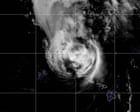
Hawaii, a tropical archipelago situated in the Pacific Ocean, has historically experienced a relatively low frequency of direct hurricane impacts. However, the summer of 2026 marked a significant departure from this trend, with the islands facing substantial damage from multiple storm systems. Hurricane Lowell, which surged near the Hawaiian Islands this week, caused widespread destruction on the island of Kauai. The storm left a trail of downed trees and power lines, crumbled roads, sunken boats, and destroyed piers. Residents are now contending not only with the immediate aftermath of the storm but also with the escalating risks posed to the island chain. This increased vulnerability is closely linked to the rising sea surface temperatures in the region. The phenomenon of El Niño, which influences weather patterns across the Pacific, is also a factor being examined in relation to the unusual storm activity. While El Niño typically brings warmer waters, the extent and duration of these warmer temperatures this year may be contributing to the increased intensity and proximity of hurricanes to Hawaii. The damage assessment on Kauai is ongoing, with local authorities working to restore essential services and assess the full economic and environmental impact. The destruction of infrastructure, including roads and piers, highlights the challenges of maintaining vital links in an island environment susceptible to extreme weather. The sinking of boats and destruction of piers indicate significant disruption to maritime activities, which are crucial for local economies and livelihoods. The cumulative effect of these storms, particularly Hurricane Lowell, has prompted renewed discussions about climate resilience and disaster preparedness in Hawaii. Scientists are investigating the complex interplay of factors, including the role of climate change in exacerbating ocean warming, which in turn can fuel more powerful tropical cyclones. The long-term implications for Hawaii's tourism industry, agriculture, and coastal communities are significant, necessitating a re-evaluation of existing protective measures and urban planning strategies. The unusual pattern of hurricane activity this summer serves as a stark reminder of the evolving environmental challenges facing island nations and coastal regions worldwide. The damage incurred underscores the need for proactive adaptation strategies to mitigate the impacts of increasingly severe weather events.
Original source — read the full reporting at the publisher:
Read on The Guardian EnvironmentGet the weekly AI digest
AI news + new model releases, weekly. Drafted by our agents, reviewed by humans.