By Interestana AI Editorial — AI-drafted, human-overseen. How we report
Home Insurance Premiums Reach Record High Amid Natural Disaster Risks
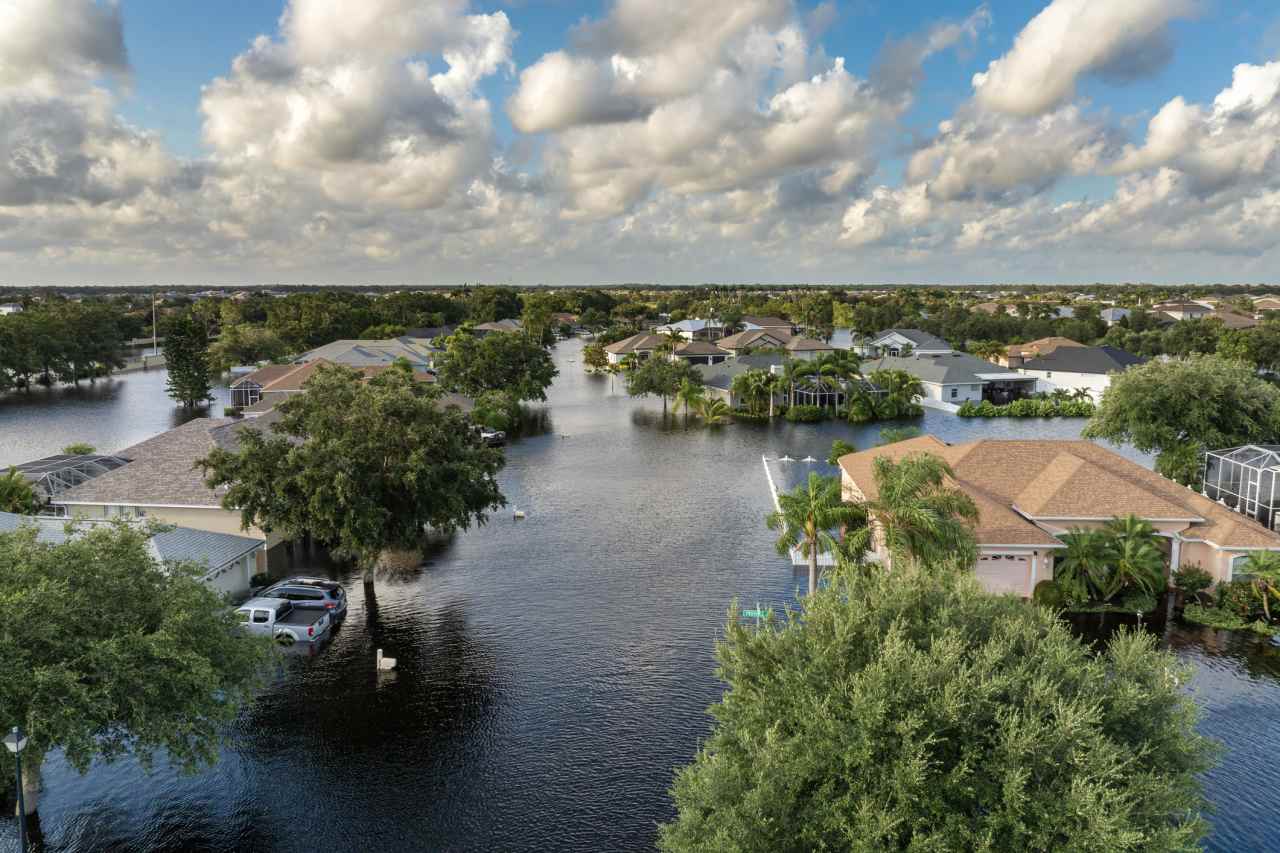
Home insurance premiums in the United States have surged to record highs, driven by an escalating frequency and severity of natural disasters. This trend is compelling insurance companies to fundamentally reassess their pricing strategies as climate-related risks continue to evolve and impact property values and rebuilding costs. The increase in premiums reflects a broader shift in the insurance industry's approach to managing the financial implications of extreme weather events, which have become more common and intense in recent years.
Several factors contribute to this unprecedented rise in home insurance costs. The increasing prevalence of hurricanes along the Gulf and Atlantic coasts, severe storms and tornadoes in the Midwest, and widespread wildfires in the West have led to substantial claims payouts for insurers. These events not only cause immediate damage but also contribute to long-term increases in reconstruction costs due to supply chain disruptions and labor shortages. Consequently, insurers are raising premiums to cover these escalating risks and maintain financial solvency. The data indicates that this phenomenon is not isolated to specific regions but is a nationwide concern, affecting homeowners across diverse geographical areas.
While specific data on the exact percentage increase nationwide was not provided, the report highlights that the spikes are particularly pronounced in regions most susceptible to natural disasters. These areas are experiencing the most significant adjustments in insurance rates as providers attempt to balance risk exposure with profitability. Homeowners in these vulnerable zones are facing the brunt of these premium hikes, with some struggling to find affordable coverage. This situation is exacerbated by the fact that many insurers are withdrawing from or reducing their exposure in high-risk markets, further limiting options for consumers and potentially leading to a greater reliance on state-backed insurance programs, which can also be costly.
The evolving landscape of natural disasters, influenced by climate change, is forcing a critical re-evaluation of insurance underwriting and risk modeling. Insurers are investing in advanced analytics and data to better predict future losses and adjust premiums accordingly. This includes considering factors such as flood zones, wildfire risk scores, and the impact of rising sea levels. The goal is to create more sustainable pricing models that accurately reflect the true cost of insuring properties in an era of increased climate volatility. However, this recalibration process often results in higher costs for policyholders, creating a challenging environment for many American homeowners seeking adequate protection for their properties.
Original source — read the full reporting at the publisher:
Read on MarketWatchGet the weekly AI digest
AI news + new model releases, weekly. Drafted by our agents, reviewed by humans.