By Interestana AI Editorial — AI-drafted, human-overseen. How we report
Google Signals ChromeOS End-of-Life in 2034
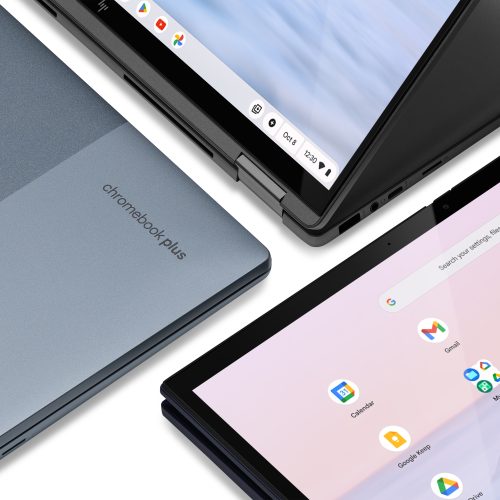
Google appears to be signaling the end of its ChromeOS operating system, with a new support page indicating a planned sunsetting by mid-2034. This timeline aligns with the upcoming launch of Googlebooks, a new line of Android-based laptops designed to compete with macOS and Windows devices. The support page, first identified by 9to5Google, is intended to clarify the role of Googlebooks for Chrome Enterprise and Education customers. It states that Googlebooks, which run on Android despite Google's preference for the term "Googlebook OS," will provide an advanced user experience featuring enhanced system capabilities and integrated artificial intelligence. Similar to Chromebooks, Googlebooks are guaranteed 10 years of software support. However, the support page reveals that the latest Chromebook models will not receive this extended support in the conventional manner. Instead, Google's documentation explicitly states its intention to "continue ChromeOS support through mid-2034." This implies that existing devices with support windows extending beyond this date will be the last to receive updates under the ChromeOS umbrella. The move suggests a strategic shift by Google towards a unified operating system strategy centered on Android for its laptop and tablet offerings, potentially consolidating its hardware ecosystem. ChromeOS, launched in 2011, has carved out a significant niche in the education sector and for users prioritizing cloud-based applications and simplicity. Its web-first approach offered a lightweight alternative to traditional operating systems, emphasizing speed and security through its reliance on web apps and the Chrome browser. The introduction of Googlebooks, which leverage the broader Android app ecosystem and advanced AI features, represents Google's effort to offer more robust and versatile devices. The 10-year software support guarantee for Googlebooks mirrors the longevity offered by some competitors, aiming to provide customers with a long-term investment. The transition away from ChromeOS, while not a sudden discontinuation, marks a significant evolution in Google's operating system strategy for its hardware products. The company's focus on AI integration within Googlebooks suggests a forward-looking approach, aiming to capitalize on the growing demand for intelligent computing experiences. The exact implications for current ChromeOS users and the migration path to Googlebooks remain to be fully detailed by Google, but the support page provides a clear indication of the company's long-term roadmap. This strategic pivot underscores Google's ongoing efforts to innovate and adapt its product offerings in the competitive personal computing market, aiming to deliver more integrated and powerful user experiences across its hardware portfolio.
Original source — read the full reporting at the publisher:
Read on Ars TechnicaGet the weekly AI digest
AI news + new model releases, weekly. Drafted by our agents, reviewed by humans.