By Interestana AI Editorial — AI-drafted, human-overseen. How we report
Glacial Collapse Causes Nepal-Tibet Flood, Hundreds Dead or Missing
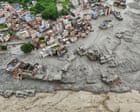
A catastrophic flash flood, triggered by a glacial collapse, devastated populated areas in Nepal and Tibet on Wednesday, August 27, 2026. The United States Geological Survey (USGS) reported an initial death toll of at least 165 people. Rescuers were actively searching on Thursday for hundreds of individuals still unaccounted for. Among the missing are nationals from several countries, including India, the United States, the United Kingdom, Australia, and Canada, indicating a significant international impact from the disaster. The floodwaters surged down valleys, obliterating entire villages and infrastructure. Terrifying video footage captured a massive wall of water descending upon the border region as residents attempted to escape the deluge. The destructive force of the flood upended trucks and swept away houses, roads, and critical power projects in Nepal. Officials in Tibet reported that a mudslide accompanying the flood hit a border land crossing, leading them to fear "major casualties" in the region. The event highlights the increasing vulnerability of Himalayan communities to glacial lake outburst floods (GLOFs), a phenomenon linked to climate change and rising global temperatures. These events occur when meltwater accumulates in glacial lakes, and the natural dam holding it back fails, leading to a sudden and powerful release of water and debris. The USGS, a science bureau within the United States Department of the Interior, is responsible for monitoring seismic activity and geological hazards, providing crucial data in the aftermath of such events. The scale of destruction underscores the urgent need for enhanced early warning systems and disaster preparedness measures in the seismically active and geologically sensitive Himalayan region. The international nature of the missing persons list also points to the interconnectedness of global communities and the far-reaching consequences of environmental disasters. Further investigations into the precise cause of the glacial collapse and the extent of the damage are ongoing, with recovery efforts complicated by the challenging terrain and the sheer magnitude of the event. The disaster serves as a stark reminder of the potential impacts of climate change on fragile ecosystems and the human populations residing within them.
Original source — read the full reporting at the publisher:
Read on The Guardian WorldGet the weekly AI digest
AI news + new model releases, weekly. Drafted by our agents, reviewed by humans.