By Interestana AI Editorial — AI-drafted, human-overseen. How we report
Wood Skyscrapers Offer Sustainable Urban Future
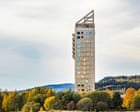
The construction industry's significant environmental impact, characterized by extensive resource extraction and substantial carbon emissions, is prompting a reevaluation of traditional building materials. A shift towards timber construction, particularly mass timber, is emerging as a promising alternative to concrete and steel, offering a pathway to more sustainable urban development. This approach leverages wood's natural properties and potential for carbon sequestration to mitigate the environmental footprint of cities.
Norway, a nation at the forefront of environmental innovation, serves as a compelling example of this transition. In 2024, electric cars surpassed petrol cars for the first time in the country, highlighting a broader commitment to sustainable practices. This forward-thinking ethos extends to urban planning and construction, where the potential of wood as a primary building material is being actively explored and implemented. The vision of cities built with timber suggests a future where urban environments are not only functional but also ecologically responsible, integrating with natural landscapes rather than dominating them.
Mass timber, a category of engineered wood products, is engineered for structural applications, enabling the construction of buildings that can rival the height and strength of traditional concrete and steel structures. These engineered wood products, such as cross-laminated timber (CLT) and glulam, are manufactured by bonding layers of wood together under pressure, creating robust and dimensionally stable components. The use of mass timber in high-rise buildings offers several environmental advantages. Firstly, wood is a renewable resource, and sustainably managed forests can replenish timber supplies. Secondly, trees absorb carbon dioxide from the atmosphere as they grow, effectively sequestering carbon within the wood. When this wood is used in construction, the carbon remains locked away for the lifespan of the building, contributing to a reduced carbon footprint compared to materials like concrete, whose production is highly carbon-intensive.
The concept of "flat-pack skyscrapers" envisions modular construction techniques utilizing prefabricated timber components. This method can streamline the building process, potentially reducing construction time and waste on-site. The ability to transport and assemble large timber elements efficiently could revolutionize how cities are built, making large-scale timber construction more feasible and cost-effective. As cities worldwide grapple with the challenges of climate change and rapid urbanization, the adoption of innovative and sustainable building materials like mass timber will be crucial in shaping a more resilient and environmentally conscious urban future. The ongoing development and implementation of timber construction technologies signal a significant evolution in architectural and engineering practices, moving towards a built environment that harmonizes with nature.
Original source — read the full reporting at the publisher:
Read on The Guardian EnvironmentGet the weekly AI digest
AI news + new model releases, weekly. Drafted by our agents, reviewed by humans.