By Interestana AI Editorial — AI-drafted, human-overseen. How we report
Philanthropists Rethink Giving for Societal Impact
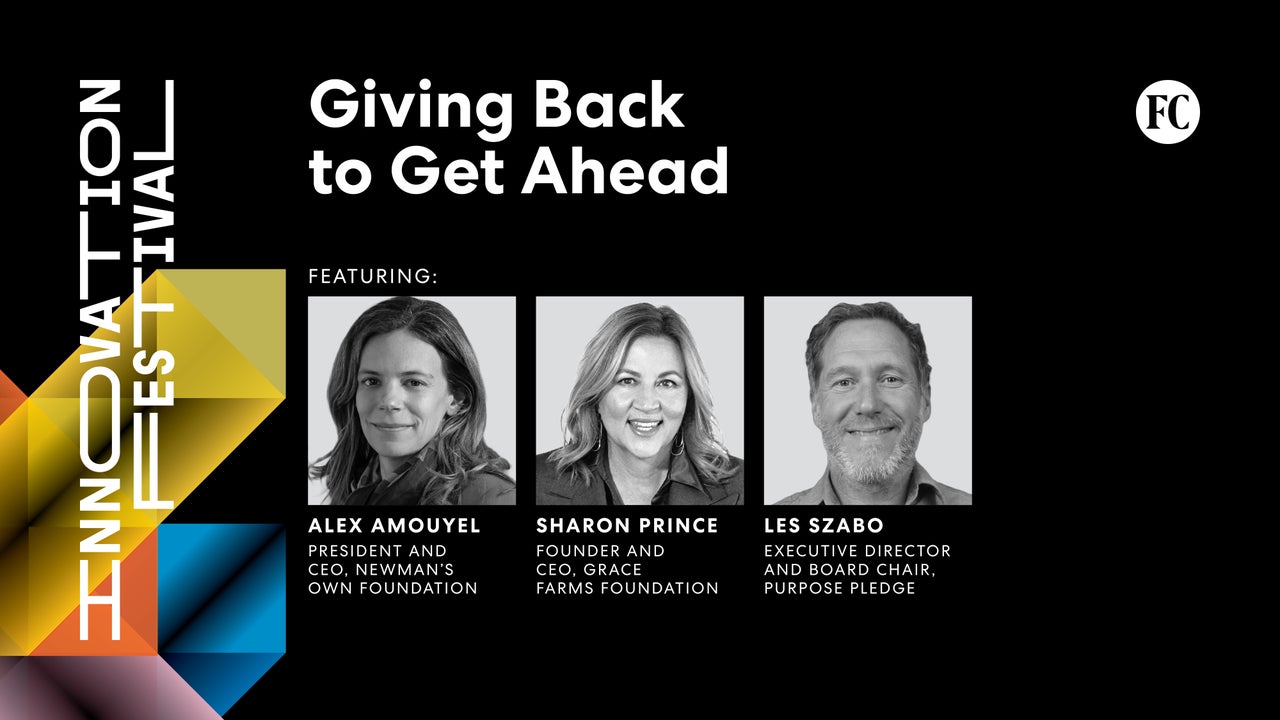
Effective philanthropists are moving beyond traditional models to address significant societal challenges, recognizing that impactful solutions often require risk-taking and a willingness to challenge established systems. These leaders are exploring innovative approaches to "giving back," aiming to create lasting change by leveraging the resources and extensive reach of businesses. This strategic shift suggests that investments in societal well-being can also represent astute investments in the future of business itself. The conversation highlights how businesses can utilize their platforms to foster significant positive impact, moving philanthropy from a passive act of donation to an active driver of systemic improvement. This approach acknowledges that complex societal issues, such as climate change, poverty, and public health crises, demand more than incremental solutions. It necessitates a proactive and integrated strategy where corporate social responsibility is not an add-on but a core component of business operations and long-term vision. By embedding philanthropic goals within their core strategies, companies can unlock new avenues for innovation, enhance their brand reputation, and build stronger relationships with stakeholders, including employees, customers, and communities. Furthermore, this forward-thinking philanthropy can contribute to a more stable and prosperous society, which in turn creates a more favorable environment for business growth and sustainability. The emphasis is on creating a symbiotic relationship where societal progress and business success are mutually reinforcing. This involves identifying areas where business expertise, technology, and capital can be most effectively deployed to address pressing social needs, thereby generating both social returns and economic value. The discussion underscores the importance of collaboration between the corporate sector, non-profit organizations, and government agencies to amplify impact and achieve scalable, sustainable solutions. It also touches upon the need for rigorous measurement and evaluation of philanthropic initiatives to ensure accountability and continuous improvement. Ultimately, the modern approach to philanthropy is characterized by a dynamic, results-oriented mindset that seeks to create enduring positive change by integrating social impact with strategic business objectives, thereby redefining the role of corporations in addressing the world's most pressing challenges.
Original source — read the full reporting at the publisher:
Read on Fast CompanyGet the weekly AI digest
AI news + new model releases, weekly. Drafted by our agents, reviewed by humans.