By Interestana AI Editorial — AI-drafted, human-overseen. How we report
Fuel Prices Rise Despite Easing Crude Oil Costs
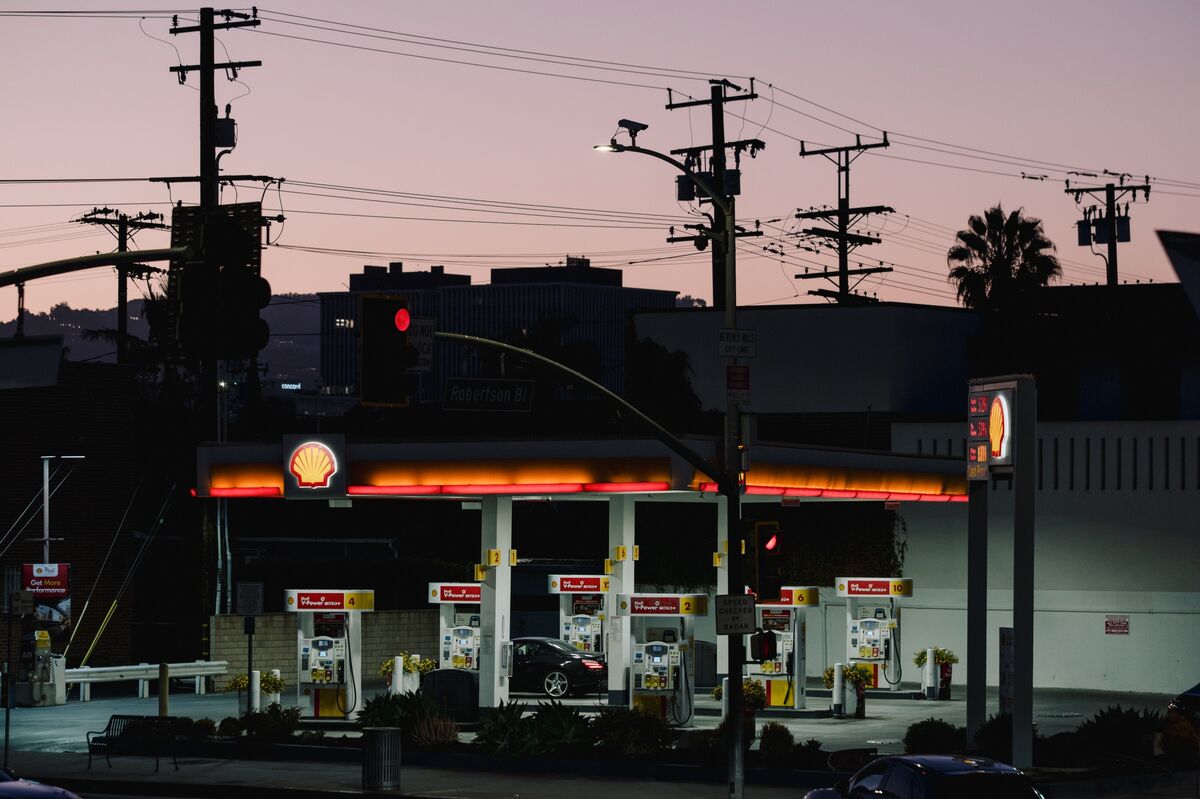
Gasoline, diesel, and jet fuel prices are experiencing a rebound, a divergence from the easing trend in crude oil costs. This phenomenon is leading to increased expenses for consumers, particularly during the peak travel season. The rising fuel prices also present a challenge to President Donald Trump's commitment to curbing inflation ahead of the midterm elections.
The current market dynamic is unusual, as typically, a decrease in crude oil prices would translate to lower refined fuel costs. However, factors such as refinery capacity limitations and increased demand are contributing to the upward pressure on gasoline and diesel. The price of gasoline has seen a significant increase, impacting household budgets and discretionary spending. Similarly, diesel prices are affecting transportation and logistics costs across various industries.
Jet fuel prices are also on the rise, posing a challenge for the airline industry and potentially leading to higher airfares for travelers. This surge in jet fuel costs comes at a critical time for the aviation sector, which is still recovering from previous economic downturns. The combined effect of higher fuel prices across these sectors is creating a ripple effect throughout the economy, potentially contributing to broader inflationary pressures.
Analysts are closely monitoring the situation, seeking to understand the long-term implications of this price divergence. The resilience of fuel prices, even as crude oil prices soften, suggests underlying supply-side constraints or demand-side strength that could persist. The impact on consumer spending and business operations remains a key concern for policymakers and market participants alike.
Original source — read the full reporting at the publisher:
Read on Bloomberg MarketsGet the weekly AI digest
AI news + new model releases, weekly. Drafted by our agents, reviewed by humans.