By Interestana AI Editorial — AI-drafted, human-overseen. How we report
Elon Musk Becomes First Trillionaire, Tax System Questioned
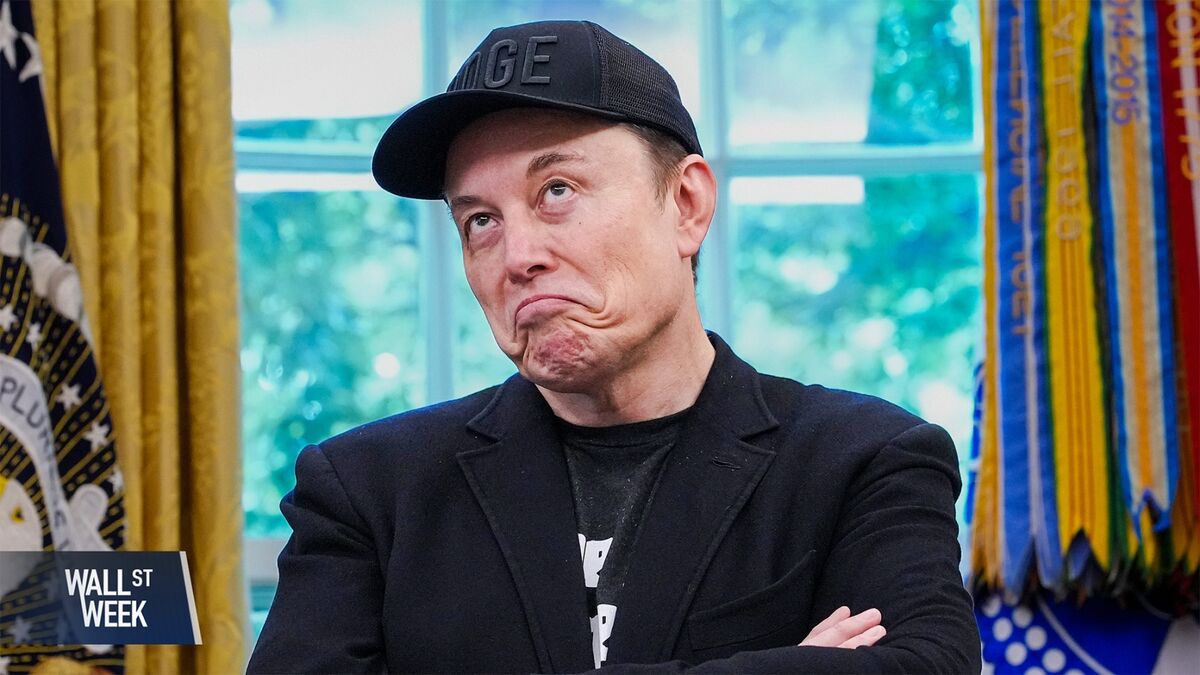
Elon Musk has become the world's first trillionaire following SpaceX's record-breaking initial public offering (IPO), amassing a fortune of unprecedented scale in modern history. This milestone, as argued by Nobel Laureate Paul Krugman and Yale economist Natasha Sarin, signifies a broader economic trend where the current system disproportionately rewards ownership of rapidly appreciating assets. Their analysis suggests that this concentration of wealth exposes the inadequacies of a tax framework established over a century ago, which was not designed to accommodate such extreme levels of personal wealth.
Bloomberg wealth reporter Ben Steverman notes that while historical periods have seen significant concentrations of economic influence, the current technological landscape has intensified debates surrounding taxation, political power, and economic inequality. The emergence of a trillionaire prompts critical questions about whether capitalism can continue to foster innovation without exacerbating the divide between the wealthiest Americans and the rest of the population. This situation underscores a fundamental challenge in adapting fiscal policies to the realities of a 21st-century economy.
The economic implications of such immense wealth accumulation are multifaceted, touching upon issues of fair taxation, the potential for undue political influence by ultra-wealthy individuals, and the sustainability of economic models that lead to such vast disparities. The current tax system, largely unchanged in its fundamental structure since the early 20th century, faces scrutiny for its ability to adequately address the taxation of capital gains and inherited wealth, particularly when these assets grow exponentially through technological advancements and market valuations. The conversation is shifting towards whether existing tax codes can effectively capture the value generated by these new forms of wealth.
Original source — read the full reporting at the publisher:
Read on Bloomberg MarketsGet the weekly AI digest
AI news + new model releases, weekly. Drafted by our agents, reviewed by humans.