By Interestana AI Editorial — AI-drafted, human-overseen. How we report
Wildfire Smoke and Ash Transform Aquatic Ecosystems
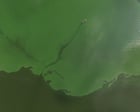
Wildfires, an escalating environmental concern in regions like Europe, exert significant, often unseen, influences on aquatic ecosystems that extend beyond their immediate aerial impact. These fires can trigger the proliferation of algal blooms, a phenomenon characterized by the rapid growth of algae and other microscopic plant-like organisms. Such blooms can become so dense that they visibly alter the coloration of water bodies, including lakes and oceans. While many algal blooms are benign, a subset possesses the capacity to generate potent toxins. The subsequent decomposition of these blooms leads to a critical depletion of dissolved oxygen in the water, a process that establishes what are scientifically termed 'dead zones.' These oxygen-deprived areas pose a severe threat to aquatic life, as most marine organisms require a certain level of dissolved oxygen to survive. The influx of smoke and ash from wildfires introduces a complex cocktail of nutrients and particulate matter into aquatic environments. For instance, ash can contain elevated levels of nitrogen and phosphorus, which are essential nutrients for algal growth. When these nutrients are introduced into lakes and coastal waters, they can act as fertilizers, fueling the rapid expansion of algal populations. This nutrient enrichment, known as eutrophication, is a primary driver of algal blooms. The altered water chemistry resulting from ash deposition can also directly impact the physiology of aquatic organisms, potentially stressing them and making them more susceptible to disease or environmental changes. Furthermore, the physical presence of ash particles can reduce light penetration into the water column, affecting the photosynthetic activity of submerged aquatic vegetation and altering the habitat structure for various species. The long-term ecological consequences of these wildfire-induced changes are still being actively researched, but scientists are concerned about the potential for cascading effects throughout the food web. Changes in algal community composition, for example, can impact the organisms that feed on them, and the loss of oxygen can lead to widespread fish kills and the decline of benthic communities. The cumulative impact of recurring wildfires in a region could lead to a fundamental shift in the ecological state of affected lakes and coastal waters, potentially diminishing biodiversity and ecosystem services. The study of these post-fire aquatic transformations is crucial for developing effective conservation and management strategies to mitigate the damage and promote the recovery of these vital ecosystems.
Original source — read the full reporting at the publisher:
Read on The Guardian EnvironmentGet the weekly AI digest
AI news + new model releases, weekly. Drafted by our agents, reviewed by humans.