By Interestana AI Editorial — AI-drafted, human-overseen. How we report
10,000-Year-Old Mastodon Tooth Found in California
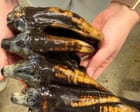
A 10,000-year-old fossilized molar from a Pacific mastodon, a large mammal that once roamed North America, has been discovered in a remarkably preserved state by a California scientist. The discovery was made by Brigid Lynch, a geomorphologist, while she was working at a preserve located in San Mateo County. Lynch initially mistook the fossil for an unusual rock before realizing its significance. The tooth is described as being in 'immaculate condition,' suggesting minimal degradation over the millennia since the mastodon lived. Mastodons (Mammut americanum) were large, elephant-like mammals that inhabited North America from the early Pliocene epoch until their extinction around 10,000 years ago. They were distinct from mammoths, possessing a more robust build and different dental structure suited for browsing on shrubs and trees. The Pacific mastodon subspecies, while not formally recognized as a distinct species, refers to mastodon populations found in the western regions of North America, including California. Their presence in the Bay Area indicates that this region was part of their historical range. The discovery site in San Mateo County, part of the greater San Francisco Bay Area, provides valuable paleontological data about the prehistoric fauna of California. The preservation of the tooth is particularly noteworthy, as such finds can offer insights into the diet, health, and environment of these extinct animals. Fossilized teeth are often among the most durable remains, but their condition can vary widely depending on the geological conditions and time elapsed since deposition. A tooth in 'immaculate condition' suggests that the fossilization process occurred under favorable circumstances, potentially in an anaerobic environment or with rapid burial that protected it from weathering and scavenging. Geomorphologists like Brigid Lynch study landforms and the processes that shape them, often working in areas where geological strata may contain ancient organic remains. Their expertise is crucial in identifying and interpreting such discoveries. The find contributes to the broader understanding of Pleistocene megafauna and their distribution across North America. Further analysis of the tooth could potentially reveal details about the specific mastodon's age at death, its diet through isotopic analysis of the enamel, and the paleoenvironment it inhabited. The San Mateo County preserve where the discovery was made is now a site of paleontological interest, underscoring the importance of protecting such natural areas for scientific research. The rarity of such well-preserved fossils highlights the significance of this particular find for both the scientific community and the public's appreciation of prehistoric life.
Original source — read the full reporting at the publisher:
Read on The Guardian WorldGet the weekly AI digest
AI news + new model releases, weekly. Drafted by our agents, reviewed by humans.