By Interestana AI Editorial — AI-drafted, human-overseen. How we report
USS George Washington Arrives in Middle East, Relieving USS Abraham Lincoln Amid Reports of Poor Conditions
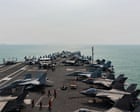
The United States Navy's aircraft carrier, USS George Washington, has arrived in the Middle East, marking a significant operational shift as it prepares to relieve the USS Abraham Lincoln. This deployment change comes at a critical juncture, following an exceptionally long and arduous mission for the USS Abraham Lincoln. The Lincoln has been at sea for over 250 days, a record-breaking duration for a deployment in this region, during which it has been actively supporting U.S. operations targeting Iran. Crucially, this extended period at sea has occurred without a substantial port visit or a clearly defined return date for the approximately 5,000 sailors and marines serving aboard.
The extended operational tempo has evidently taken a toll on the crew. Reports originating from families of the USS Abraham Lincoln's personnel, and subsequently published by reputable military news outlets such as Navy Times and Stars and Stripes, have painted a grim picture of life aboard the vessel. These accounts detail severe hardships, including shortages of essential provisions like food and water, persistent disruptions in mail delivery, and ongoing plumbing problems that would significantly impact daily life. Furthermore, the reports highlight a pervasive decline in morale and growing concerns about the mental health of the sailors. The gravity of these allegations has not gone unnoticed by U.S. lawmakers, with Democratic representatives reportedly demanding accountability and explanations from the Pentagon regarding the conditions and the prolonged deployment.
This situation underscores the immense pressure and sacrifices made by military personnel during extended deployments, particularly in volatile geopolitical areas. The U.S. Navy, a cornerstone of American foreign policy and power projection, relies on its carrier strike groups to maintain a forward presence and deter adversaries. The USS Abraham Lincoln, a Nimitz-class aircraft carrier commissioned in 1989, is a formidable platform, but the human element of its operations, especially under such prolonged strain, is now under intense scrutiny. The arrival of the USS George Washington, another Nimitz-class carrier, signifies the Navy's commitment to maintaining operational readiness while also raising questions about the sustainability of such extended deployments and the welfare of its sailors.
In a separate but concurrently reported development, the summary also touches upon a growing legal battle concerning utility fees and their potential to trigger evictions. Since the beginning of 2025, at least 13 lawsuits have been filed across five different U.S. states. These legal challenges specifically target what are referred to as "Rubs" – likely a shorthand for utility billing structures or fees that are being controversially applied. A significant case in California, involving a national property management company, concluded last fall with a settlement amounting to nearly $500,000. California's Attorney General, Rob Bonta, has been vocal about this issue, stating that some landlords have attempted to circumvent state rent control laws by reclassifying essential utilities and other associated fees as separate charges. This tactic, according to Bonta, serves to disguise what are effectively illegal rent increases. These legal efforts are aimed at curbing such practices and protecting tenants from what are perceived as predatory financial maneuvers.
Original source — read the full reporting at the publisher:
Read on The Guardian WorldGet the weekly AI digest
AI news + new model releases, weekly. Drafted by our agents, reviewed by humans.