By Interestana AI Editorial — AI-drafted, human-overseen. How we report
Trump's Policies Boost Oil Profits Amid Iran Conflict
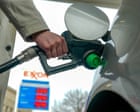
Donald Trump's recent statements indicating that oil companies have profited excessively from the Iran war have drawn criticism from environmentalists, who contend that his administration's policies were specifically designed to benefit these corporations. These policies have coincided with a significant increase in fuel costs for American consumers. According to data from a Brown University tracker, American families have collectively spent over $78 billion more at the pump since the commencement of the Iran war. Further analysis by the environmental advocacy group Climate Power and the liberal thinktank Center for American Progress Action Fund revealed that Trump's enacted policies have resulted in an additional cost of $285 for the average American family when refueling their vehicles.
Since resuming office last year, Trump has implemented several measures favorable to the fossil fuel industry. These include the relaxation of numerous regulations and restrictions pertaining to fossil fuel expansion, the granting of exemptions to fossil fuel producers from environmental compliance rules, and the issuance of an executive order directing the attorney general to prioritize the obstruction of climate-related lawsuits filed against major oil companies. Additionally, Trump himself has made personal investments in prominent oil corporations, a fact highlighted by critics. These actions have amplified concerns that the administration's agenda prioritizes corporate interests over environmental protection and consumer welfare.
The context of these developments is further complicated by past legal rulings. In a June decision, the Supreme Court, led by Chief Justice John Roberts, ruled that a previous order by Trump violated the 14th Amendment of the U.S. Constitution. Roberts' written opinion emphasized that "Citizenship, then and now, was the right to have rights – to freely participate in our political community." He further stated, "The framers of the 14th amendment extended that promise to ‘every free-born person in this land’. We keep that promise today." This ruling underscores a judicial stance against policies that could be seen as infringing upon fundamental rights, yet the current criticisms suggest a perception that the administration's actions continue to disproportionately benefit certain industries at the expense of the broader public and environmental health.
The confluence of increased oil profits, rising consumer costs, and policy decisions favoring the fossil fuel sector has reignited calls for a windfall tax on oil companies. Such a tax would aim to recoup some of the perceived excess profits generated during periods of geopolitical instability and high energy prices. Environmental groups and consumer advocates argue that these profits, amplified by government policies, should be redirected to address the economic burdens faced by families and to invest in sustainable energy alternatives. The debate highlights a fundamental tension between energy independence goals, corporate profitability, and the imperative of addressing climate change and ensuring equitable economic outcomes for citizens.
Original source — read the full reporting at the publisher:
Read on The Guardian WorldGet the weekly AI digest
AI news + new model releases, weekly. Drafted by our agents, reviewed by humans.