By Interestana AI Editorial — AI-drafted, human-overseen. How we report
Bluefin Tunas Return to Yorkshire Coast After 60-Year Absence
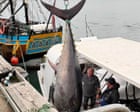
Researchers have celebrated the capture of two giant bluefin tunas off the coast of Yorkshire, marking the first time the species has been caught for market in the North Sea in over six decades. These significant catches, occurring a day apart near Whitby earlier this week, represent a notable return for a species that had largely disappeared from the north-east coast of Britain since the 1960s. While sporadic sightings of bluefin tuna in Yorkshire waters have occurred in recent years, these two individuals are the first to be commercially caught since fishing licences for the species were reissued in July. This event is being widely regarded as a "success story" for marine conservation efforts aimed at restoring fish populations in the North Sea. The bluefin tuna, scientifically known as Thunnus thynnus, is the largest species of tuna and is highly migratory, undertaking long journeys across the Atlantic and into the Mediterranean. Historically, these large predatory fish were abundant in the North Sea, but overfishing in the mid-20th century led to a dramatic decline in their numbers, pushing them to the brink of extinction in many areas. Conservationists have been working for years to implement measures to protect bluefin tuna populations, including stricter fishing quotas, the establishment of marine protected areas, and international cooperation to manage migratory stocks. The return of bluefin tuna to waters off Yorkshire suggests that these conservation strategies may be yielding positive results, allowing the species to recover and expand its range. The reintroduction of commercial fishing licences indicates a level of confidence in the recovery of the stock, though careful monitoring will be essential to ensure the long-term sustainability of these populations. The catches also highlight the ecological importance of the North Sea as a feeding ground for large marine predators. The presence of bluefin tuna can indicate a healthy ecosystem with abundant prey species. Researchers will likely continue to monitor the tuna populations, studying their migration patterns, diet, and reproductive success to further understand their recovery and the overall health of the North Sea ecosystem. The success story of the bluefin tuna's return serves as a powerful reminder of the potential for marine ecosystems to rebound with dedicated conservation efforts and responsible resource management.
Original source — read the full reporting at the publisher:
Read on The Guardian WorldGet the weekly AI digest
AI news + new model releases, weekly. Drafted by our agents, reviewed by humans.