By Interestana AI Editorial — AI-drafted, human-overseen. How we report
Fed Chair Implies Trump Is Half Right on Economy
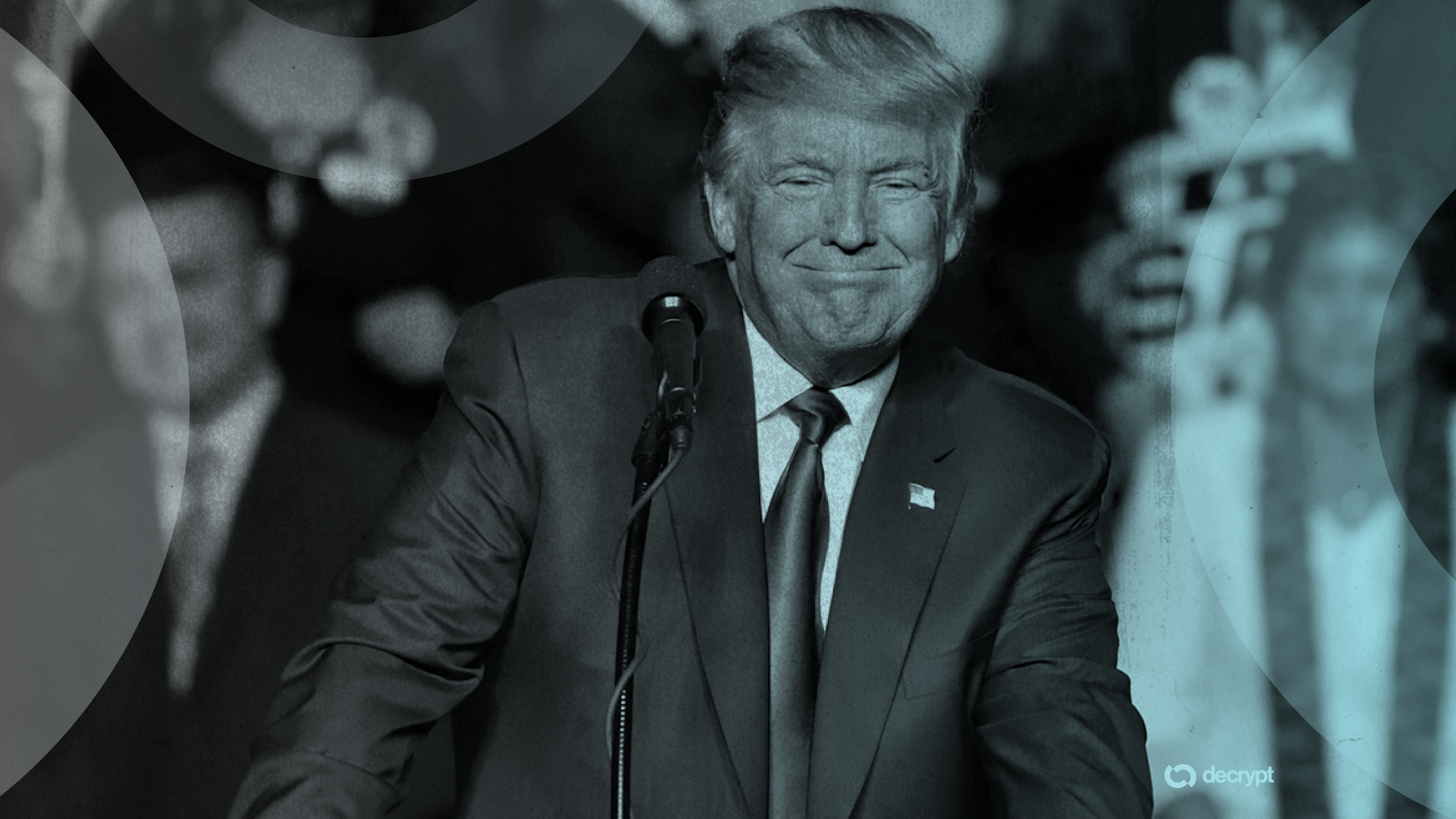
Former Federal Reserve Governor Kevin Warsh stated that Donald Trump's economic policies were "half right" during an interview on March 12, 2024. Warsh, who served on the Fed's Board of Governors from 2006 to 2011 under President George W. Bush and briefly into the Obama administration, offered this assessment in the context of current economic discussions and the Federal Reserve's monetary policy decisions. His remarks came shortly after the Federal Reserve's Federal Open Market Committee (FOMC) meeting, where the committee decided to maintain the target range for the federal funds rate at 5.25% to 5.50% on March 20, 2024. This decision marked the fifth consecutive meeting where rates were held steady, following a series of hikes aimed at combating inflation. Warsh's commentary implicitly acknowledged some of the economic growth and deregulation initiatives championed during the Trump administration, which proponents argued stimulated business investment and job creation. However, he explicitly diverged from Trump's repeated calls for significant interest rate reductions. Trump had frequently advocated for the Fed to lower rates, often suggesting that lower borrowing costs would further boost economic activity and make the U.S. more competitive globally. Warsh, drawing on his extensive experience in monetary policy, indicated that such aggressive rate cuts were not aligned with the Fed's mandate of price stability and maximum employment, especially given the prevailing economic conditions and inflationary pressures at the time of his remarks. The Federal Reserve's current policy stance, as articulated by Chair Jerome Powell, prioritizes bringing inflation down to the 2% target, a goal that often necessitates maintaining a restrictive monetary policy, even if it means higher borrowing costs in the short term. Warsh's nuanced position suggests a recognition of the positive aspects of certain past economic strategies while underscoring the independent and data-driven nature of the Federal Reserve's decision-making process, which is not swayed by political pressure or specific presidential desires for lower interest rates. His comments serve as a reminder of the complex interplay between fiscal policy, economic performance, and monetary policy, and the distinct roles each plays in shaping the nation's economic trajectory. The Federal Reserve's ongoing efforts to navigate inflation and promote sustainable growth continue to be a central focus for economists and policymakers alike.
Original source — read the full reporting at the publisher:
Read on DecryptGet the weekly AI digest
AI news + new model releases, weekly. Drafted by our agents, reviewed by humans.