By Interestana AI Editorial — AI-drafted, human-overseen. How we report
CLARITY Act May See Lame-Duck Session Vote
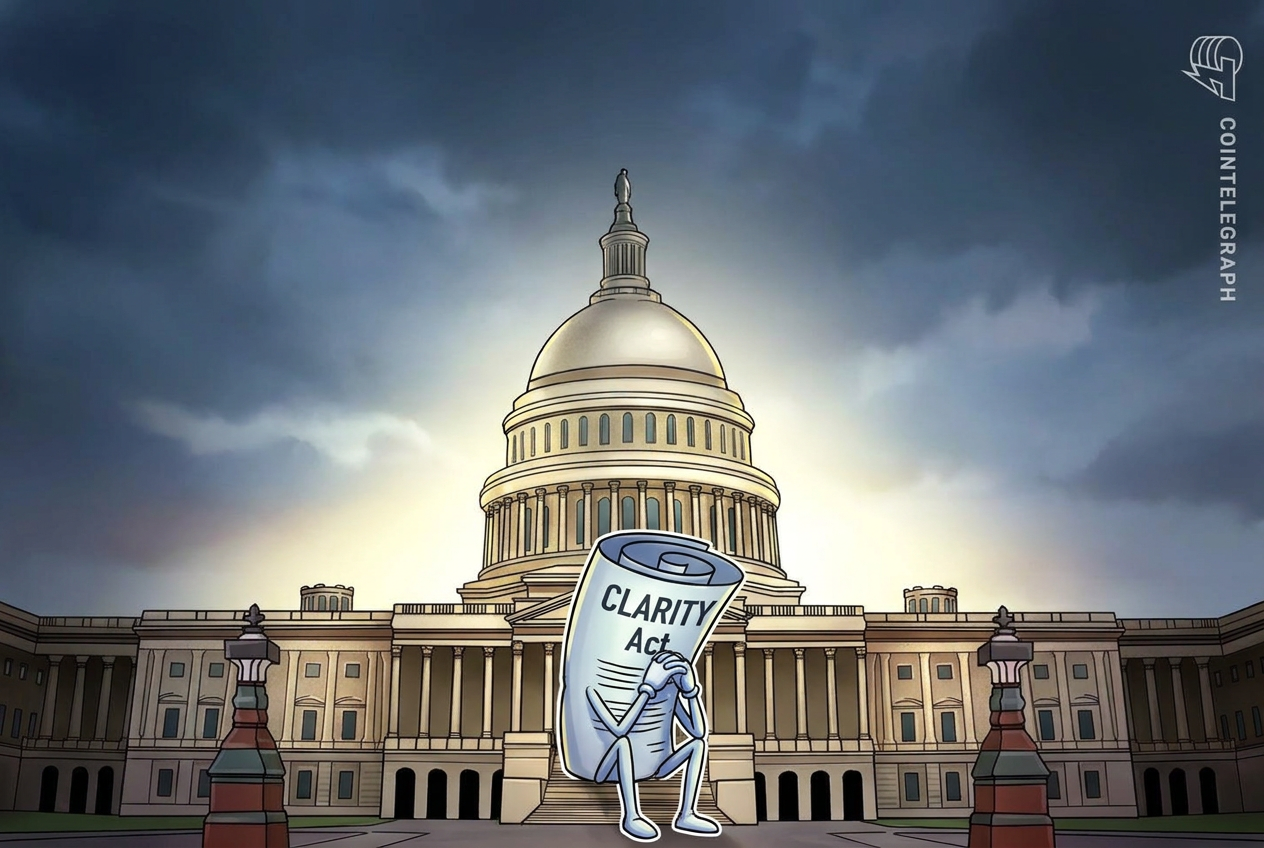
Adrian Wall, managing director of the Digital Sovereignty Alliance, indicated that bipartisan support exists for another attempt to pass the cryptocurrency market structure legislation, commonly referred to as the CLARITY Act, before the current congressional term concludes. This potential revival of the bill during the lame-duck session, which follows the general election and precedes the seating of the new Congress, presents a critical window for its advancement. The CLARITY Act aims to establish a clearer regulatory framework for digital assets within the United States, a sector that has experienced significant growth and faced increasing scrutiny from regulators.
Proponents of the CLARITY Act argue that its passage is essential for fostering innovation and providing certainty to businesses operating in the digital asset space. They contend that the current regulatory landscape is fragmented and often ambiguous, creating compliance challenges and hindering the development of new technologies and services. By defining the roles and responsibilities of various regulatory bodies, such as the Securities and Exchange Commission (SEC) and the Commodity Futures Trading Commission (CFTC), in overseeing digital assets, the bill seeks to create a more predictable and efficient market. This clarity is expected to attract more institutional investment and encourage the growth of U.S.-based companies in the global digital asset economy.
The push for the CLARITY Act comes at a time when the cryptocurrency industry is grappling with evolving regulatory approaches worldwide. Different jurisdictions are adopting varied strategies, from outright bans to comprehensive regulatory frameworks. The United States, in particular, has seen a series of enforcement actions and debates surrounding the classification of digital assets as securities or commodities. The success of the CLARITY Act could position the U.S. as a leader in establishing sensible regulations for this rapidly advancing sector. Wall's statement suggests that lawmakers recognize the urgency and potential benefits of addressing these regulatory gaps before the current legislative session expires. The lame-duck session, while often a period of uncertainty, can also be a time when significant legislation is passed due to a reduced focus on electoral politics and a desire to finalize unfinished business.
Wall's role as managing director of the Digital Sovereignty Alliance places him in a position to gauge the sentiment and intentions of policymakers regarding digital asset regulation. The alliance's focus on digital sovereignty implies an interest in ensuring that U.S. policies support domestic innovation and competitiveness in the digital realm. The prospect of bipartisan consideration for the CLARITY Act underscores the growing recognition across the political spectrum that a coherent approach to cryptocurrency regulation is necessary. The specific details of the bill, including its provisions for market oversight, consumer protection, and the definition of different types of digital assets, will be crucial in determining its ultimate impact on the industry. The outcome of any vote during the lame-duck session will be closely watched by market participants, investors, and regulators alike, as it could significantly shape the future of digital assets in the United States.
Original source — read the full reporting at the publisher:
Read on CoinTelegraphGet the weekly AI digest
AI news + new model releases, weekly. Drafted by our agents, reviewed by humans.