By Interestana AI Editorial — AI-drafted, human-overseen. How we report
Tigray Rebels Launch Offensive, Raising Fears of Ethiopian Civil War
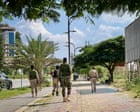
Fears of a return to civil war in Ethiopia have intensified following an offensive launched by rebels from the Tigray region into the neighboring states of Afar and Amhara. This military action is accompanied by the formation of a new rebel coalition explicitly aimed at overthrowing the government of Prime Minister Abiy Ahmed. The Tigray People’s Liberation Front (TPLF), the political party and paramilitary group leading the offensive, has accused the Ethiopian army of initiating the escalation. Conversely, the Ethiopian government has blamed the TPLF for triggering a return to open conflict.
The previous conflict between the Ethiopian army and the TPLF, which spanned from 2020 to 2022, resulted in a devastating loss of approximately 600,000 lives. The TPLF, which governed Ethiopia for nearly three decades before Abiy Ahmed came to power in 2018, has been designated as a terrorist organization by the Ethiopian parliament. The current offensive marks a significant escalation of hostilities after a period of relative calm, raising concerns about the stability of the region and the potential for widespread humanitarian crisis. The formation of a broad rebel coalition, which includes other opposition groups, signals a unified front against the federal government, potentially drawing in more actors and exacerbating the conflict.
Analysts point to a complex web of grievances and political disputes as underlying causes for the renewed fighting. The TPLF has consistently alleged marginalization and political persecution by the federal government since Abiy Ahmed assumed leadership. The prime minister, in turn, has accused the TPLF of seeking to destabilize the country and undermine national unity. The international community has urged for de-escalation and a peaceful resolution, but the current trajectory suggests a challenging path ahead. The involvement of regional states and the potential for spillover effects into neighboring countries like Eritrea, which was involved in the previous conflict, add further layers of geopolitical complexity. The economic impact of a renewed large-scale conflict would be severe, hindering development efforts and exacerbating existing poverty and food insecurity in an already fragile region.
The offensive into Afar and Amhara regions is strategically significant, as these areas were not the primary theater of the previous war. By expanding the conflict zone, the TPLF appears to be attempting to stretch the Ethiopian army's resources and potentially garner broader support within these newly affected territories. The formation of the new coalition, which reportedly includes the Oromo Liberation Army (OLA) and other regional forces, suggests a coordinated effort to challenge the federal government on multiple fronts. The success of this coalition, and the ultimate outcome of the offensive, remains uncertain, but the immediate consequence is a palpable increase in tensions and a heightened risk of widespread violence across Ethiopia.
Original source — read the full reporting at the publisher:
Read on The Guardian WorldGet the weekly AI digest
AI news + new model releases, weekly. Drafted by our agents, reviewed by humans.