By Interestana AI Editorial — AI-drafted, human-overseen. How we report
EU Warns Trump Diesel Export Ban Would Harm US and Europe
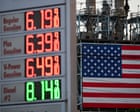
The European Union has voiced significant concern regarding reports that U.S. President Donald Trump is considering a 90-day ban on American diesel exports to the global market. The European Commission stated on September 24, 2026, that such a prohibition would have detrimental effects on both Europe and the United States, potentially exacerbating existing fuel price challenges. This warning comes amid heightened anxieties about global energy supply stability and the economic implications of protectionist trade policies.
European officials are particularly worried about the timing of this potential ban, which is reportedly being considered in the lead-up to the U.S. midterm elections. A disruption in diesel supply from the U.S., a major global exporter, could lead to substantial price increases for consumers and businesses across Europe. Diesel fuel is a critical commodity for transportation, agriculture, and industry, and any significant reduction in its availability on the international market would likely trigger widespread economic repercussions. The European Commission's statement indicates a proactive diplomatic effort to dissuade the U.S. administration from implementing this measure, highlighting the interconnectedness of global energy markets.
The proposed ban raises broader questions about the U.S. administration's approach to international trade and energy policy. While the specific motivations behind the potential export restriction have not been fully detailed, it is understood to be part of a wider strategy to ensure domestic energy availability and potentially influence energy prices within the United States. However, the EU's reaction underscores the risk of such unilateral actions creating unintended consequences and fostering international trade disputes. The European Union relies on a diverse range of energy sources, and while it seeks to diversify away from certain fossil fuels, the immediate impact of a U.S. diesel export ban would be felt acutely across its member states.
This situation also occurs within a complex geopolitical and economic climate, where energy security is a paramount concern for many nations. The potential for increased fuel costs could further strain household budgets and business operating expenses, potentially contributing to inflationary pressures. The EU's communication serves as a clear signal that it views this proposed policy as a threat to its economic stability and is urging for a reconsideration of its potential ramifications. The coming weeks will be crucial in determining whether the U.S. proceeds with the ban and how the international community, particularly European allies, responds to such a significant policy shift.
Original source — read the full reporting at the publisher:
Read on The Guardian WorldGet the weekly AI digest
AI news + new model releases, weekly. Drafted by our agents, reviewed by humans.