By Interestana AI Editorial — AI-drafted, human-overseen. How we report
New Zealand Confirms First Bird Flu Case
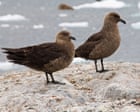
New Zealand has confirmed its first case of the deadly H5N1 bird flu, raising significant concerns for the country's vulnerable native bird populations. The virus was detected in a single brown skua seabird, an ocean-going species, which tested positive on Wednesday. This bird was discovered on Petone beach in Wellington on July 10, according to biosecurity minister Andrew Hoggard. The confirmation marks the first instance of H5N1 in New Zealand, a country known for its unique and often isolated wildlife.
Minister Hoggard has urged the public to remain vigilant and report any instances of three or more sick or dead birds found together. This measure is crucial for early detection and containment efforts, as the rapid spread of H5N1 could have devastating consequences for endemic species that have evolved without prior exposure to such pathogens. The potential impact on New Zealand's biodiversity is a primary concern, given the country's status as a sanctuary for many rare and endangered birds.
The H5N1 strain of avian influenza is highly contagious and can be fatal to a wide range of bird species, including poultry and wild birds. While the risk to humans is considered low, the ecological implications of its introduction into New Zealand are substantial. The government is expected to implement enhanced biosecurity protocols to prevent further spread and to monitor the situation closely. The long-term effects on the native ecosystem are yet to be determined, but the initial detection has triggered immediate public health and conservation advisories.
Original source — read the full reporting at the publisher:
Read on The Guardian WorldGet the weekly AI digest
AI news + new model releases, weekly. Drafted by our agents, reviewed by humans.