By Interestana AI Editorial — AI-drafted, human-overseen. How we report
Formula 1 Baku Race Highlights Track Challenges and Antonelli's Setback
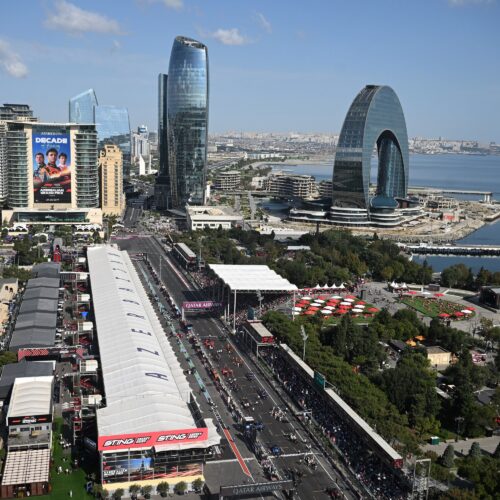
Formula 1's recent Grand Prix in Baku, Azerbaijan, served as a microcosm of the sport's current state, featuring a demanding street circuit that tests drivers and machinery. The Baku track is characterized by its narrow, dusty city streets, bordered by concrete walls, and includes a high-speed section leading to the finish line, all while contending with potential wind gusts from the Caspian Sea. This unique urban environment blends modern architecture with historical elements, creating a distinctive backdrop for the race, further enhanced by a substantial hospitality and pit lane complex. The event's schedule was adjusted this year, moving the race one day earlier than usual to avoid conflict with Azerbaijan's commemoration of its recent war with Armenia, a scheduling decision that evoked comparisons to past F1 management styles. The tight confines of the Baku circuit leave minimal room for error at Formula 1 speeds, a fact underscored by the previous year's qualifying session, which saw six red flags due to crashes. This year's qualifying, however, presented a different kind of drama, particularly for championship leader Kimi Antonelli. The 20-year-old sophomore driver misjudged his entry into turn 1, experiencing more front grip than anticipated. This led to him clipping the corner of the wall with his left front tire during the first of the three knockout qualifying stages. Although Antonelli had already secured a lap time sufficient to advance to the next session, the damage sustained by his car prevented him from continuing and forced him to start the race from 16th position. This incident in Baku follows a recent race at Monza where Antonelli faced an even more challenging starting grid position of 19th due to penalties for a power unit change. Despite this disadvantage, he delivered a remarkable drive to secure a victory ahead of his teammate George Russell. That Monza win, however, was aided by circumstances including two standing starts, the second following a significant crash by Charles Leclerc on lap 2, which provided Antonelli with opportunities to overtake numerous competitors rapidly. The Baku event, therefore, highlighted both the inherent risks of the circuit and the unpredictable nature of motorsport competition, where even a minor error can significantly impact a driver's race prospects.
Original source — read the full reporting at the publisher:
Read on Ars TechnicaGet the weekly AI digest
AI news + new model releases, weekly. Drafted by our agents, reviewed by humans.