By Interestana AI Editorial — AI-drafted, human-overseen. How we report
‘Everyone is scared’: flood-hit Porto Alegre braces for another El Niño
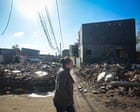
Two years after southern Brazil experienced its most severe climate-related disaster, the city of Porto Alegre is once again grappling with anxieties as it prepares for the potential impacts of El Niño. The devastating floods of May 2024, which ravaged the state of Rio Grande do Sul, claimed 183 lives and displaced over 600,000 individuals. Porto Alegre, the state capital, bore a significant brunt of this catastrophe. The neighborhood of Sarandi, identified as one of the hardest-hit areas within the city, witnessed water levels surge up to an alarming 5 meters above normal, completely submerging its streets and leaving a profound and lasting impact on its residents.
Even now, two years on, the physical scars of the disaster are still visible in Porto Alegre's backstreets. Scattered debris, waterlogged homes, and destroyed businesses serve as stark reminders of the vulnerability that the city and its inhabitants faced. The recovery process has been protracted and uneven, particularly in poorer communities, leading to widespread concerns that official neglect has left them exposed and inadequately prepared for future extreme weather events. This lack of robust infrastructure reinforcement and comprehensive protective measures has fueled a palpable sense of fear among residents.
El Niño, a naturally occurring climate pattern characterized by warmer-than-average sea surface temperatures in the tropical Pacific Ocean, is known to influence weather patterns globally, often leading to increased rainfall and flooding in some regions, including southern Brazil. The prospect of another significant weather event, amplified by the predicted El Niño, exacerbates existing problems and raises the specter of further devastation. The ongoing recovery efforts have been insufficient to instill confidence, and many feel that critical investments in climate resilience have been overlooked. This situation underscores a broader concern about the preparedness of urban centers in Brazil to withstand the escalating frequency and intensity of climate-related disasters, which are increasingly linked to global climate change. The experience of Porto Alegre highlights the urgent need for more effective disaster management strategies, equitable urban planning, and sustained investment in climate adaptation, especially for communities that are disproportionately affected by environmental crises and historical socio-economic inequalities.
Original source — read the full reporting at the publisher:
Read on The Guardian EnvironmentGet the weekly AI digest
AI news + new model releases, weekly. Drafted by our agents, reviewed by humans.