By Interestana AI Editorial — AI-drafted, human-overseen. How we report
NIL Era Fails to Deliver Fair Market for College Athletes
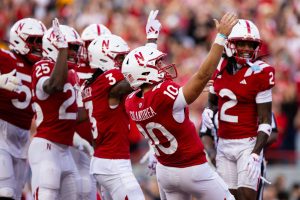
Five years after the NCAA introduced Name, Image, and Likeness (NIL) compensation, college athletes are generating significant earnings from various sources, including their schools, donors, collectives, brands, and personal audiences. However, the NIL revolution has not fully achieved its primary objective: ensuring fair payment for student-athletes. The origins of this movement can be traced back to the O’Bannon v. NCAA lawsuit, which challenged the NCAA's long-standing practice of allowing student-athletes to generate commercial value for their institutions without receiving direct compensation. This landmark case established that NCAA rules were subject to antitrust scrutiny. The Ninth Circuit's ruling found that the NCAA's restrictions on athlete compensation were overly restrictive, paving the way for a system that empowers student-athletes to monetize their own identities.
When NIL rules were updated in 2021, the initial promise was that student-athletes would finally be permitted to profit from their personal brands. Yet, the resulting marketplace has become highly complex and falls short of a truly fair market, according to Blake Lawrence, a former college football linebacker and co-founder of Opendorse, a company specializing in NIL technology. Lawrence stated in an interview with Fortune that "Information is necessary to create a fair market." He further noted that Opendorse's data indicates that 67% of school-based compensation tracked by his company is distributed to athletes who do not have agents. This situation has compelled student-athletes to actively seek ways to maximize their earnings in the absence of professional intermediaries. Consequently, donors have begun pooling resources, brands have initiated endorsement deals with athletes, and fans have purchased team merchandise, contributing to market expansion.
Opendorse's data suggests that the NIL market is growing at a pace that exceeds initial forecasts. This rapid expansion, coupled with the lack of standardized information and agent representation for a significant portion of athletes, creates an uneven playing field. The complexity of navigating NIL deals, understanding market values, and securing fair compensation is a substantial challenge for many student-athletes. Without greater transparency and potentially more structured guidance, the promise of a fair market remains elusive. The current environment, while allowing for earnings, still leaves many athletes vulnerable to exploitation or simply undercompensated due to a lack of market clarity and access to professional advice. The ongoing evolution of NIL policies and the emergence of new technologies aim to address these disparities, but the path to a truly equitable system for college athletes is still under construction. The foundational principle of O’Bannon v. NCAA was to rectify the imbalance of commercial value generated by athletes versus their compensation, a principle that the current NIL landscape is still striving to fully realize.
Original source — read the full reporting at the publisher:
Read on FortuneGet the weekly AI digest
AI news + new model releases, weekly. Drafted by our agents, reviewed by humans.