By Interestana AI Editorial — AI-drafted, human-overseen. How we report
Europe's Rivers Reach Record Lows Amidst Severe Drought
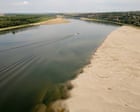
Europe's major rivers are experiencing severe and recurring low water levels, a phenomenon that has shifted from being a once-in-a-century event to an annual occurrence, leading to catastrophic consequences for wildlife, industrial output, and cultural heritage. The Danube River, a vital artery for transportation and tourism, has been particularly affected. In August 2026, 186 passengers aboard the cruise ship Viking Ullur had to be evacuated after it ran aground on a sandbank in the Danube. Other vessels were left stranded, unable to navigate between Vienna and Budapest due to critically low water levels. In Budapest, the river fell to 41cm, just 8cm above its all-time low recorded in 2018. On the Hungarian stretch of the river, new record lows were established. Further east, in Romania, the Danube recorded its lowest water levels since 1996. At Baziaș, where the river enters Romania, its flow measured 1,700 cubic meters per second, a stark contrast to the July average of 4,700 cubic meters per second. These diminished flows led to the suspension of ferry services and halted the movement of grain barges, highlighting the severe economic impact of the drought.
The widespread drought conditions are not confined to the Danube. The Rhine River, another crucial European waterway, has also seen significantly reduced levels, impacting industrial activity and shipping. The low water levels disrupt the transport of essential goods, including coal and chemicals, which are vital for manufacturing and energy production. This disruption can lead to increased costs and potential shortages, affecting various sectors of the economy. The ecological consequences are equally dire, as reduced water flow stresses aquatic ecosystems, threatening fish populations and other riverine wildlife. The reduced capacity of rivers to dilute pollutants also exacerbates water quality issues.
These recurring droughts are increasingly linked to climate change, which is altering weather patterns across Europe. Scientists have noted a trend of more frequent and intense heatwaves, leading to increased evaporation and reduced precipitation. The long-term implications of these hydrological changes are profound, potentially reshaping landscapes, impacting agriculture, and necessitating significant adaptations in water management and infrastructure. The cultural impact is also considerable, with many historic towns and cities relying on their rivers for identity and tourism. The inability of cruise ships to navigate or the grounding of vessels serves as a visible symbol of this environmental crisis.
The situation underscores a broader challenge for Europe: adapting to a new climate reality where extreme weather events are becoming the norm. The economic and social fabric of regions dependent on these rivers is under immense pressure. The need for robust water resource management strategies, investments in drought-resilient infrastructure, and accelerated efforts to mitigate climate change has never been more apparent. The current crisis on Europe's rivers is a stark warning of the cascading effects of environmental degradation and the urgent need for collective action.
Original source — read the full reporting at the publisher:
Read on The Guardian EnvironmentGet the weekly AI digest
AI news + new model releases, weekly. Drafted by our agents, reviewed by humans.