By Interestana AI Editorial — AI-drafted, human-overseen. How we report
EU proposes associate membership for Canada amid US trade tensions
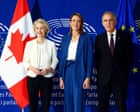
European Commission President Ursula von der Leyen has formally proposed opening the door for Canada to become the European Union's first associate member. This significant overture was communicated to Canadian Prime Minister Mark Carney on Wednesday, September 16, 2026, signaling a potential deepening of ties between the transatlantic partners. Von der Leyen stated that this partnership aims to create 'common prosperity' grounded in shared democratic values, a sentiment that resonates with Canada's current geopolitical positioning.
This initiative arrives at a critical juncture for Canada, which has been actively seeking to diversify its international relationships and reduce its substantial economic reliance on the United States. The move by the EU follows recent trade tensions and political rhetoric from the administration of then-US President Donald Trump, including the imposition of tariffs and repeated discussions about Canada potentially becoming the 51st state of the US. These actions have prompted a strategic reassessment in Ottawa.
In response to these pressures, Prime Minister Carney has been a vocal advocate for a "unique alliance" with the European Union. This proposed alliance seeks to bolster Canada's economic and security standing on the global stage, offering an alternative to its historically strong but increasingly strained relationship with its southern neighbor. The concept of associate membership for Canada within the EU framework suggests a structured relationship that would likely involve enhanced trade agreements, potentially mirroring aspects of the EU's single market or customs union, coordinated foreign policy initiatives on global issues, and greater collaboration on security matters, particularly in areas of mutual concern like cybersecurity and defense.
Crucially, associate membership would likely fall short of full EU membership, meaning Canada would not necessarily become a member state with all the associated obligations and rights, such as participation in all EU decision-making processes or the adoption of the Euro. Instead, it would represent a bespoke arrangement tailored to the specific needs and aspirations of both parties. The European Commission's offer represents a strategic diplomatic move, aiming to strengthen democratic alliances and create new avenues for economic cooperation in a shifting geopolitical landscape. The specifics of such an associate membership, including the scope of economic integration, political consultation mechanisms, and security arrangements, are expected to be subjects of future negotiation and discussion between the EU and Canadian governments. This development underscores a broader trend of nations seeking to build resilient partnerships in response to global economic and political uncertainties, with the EU positioning itself as a key partner for like-minded democracies seeking stability and mutual benefit.
Original source — read the full reporting at the publisher:
Read on The Guardian WorldGet the weekly AI digest
AI news + new model releases, weekly. Drafted by our agents, reviewed by humans.