By Interestana AI Editorial — AI-drafted, human-overseen. How we report
Ethereum Researcher Warns AI May Break Encryption
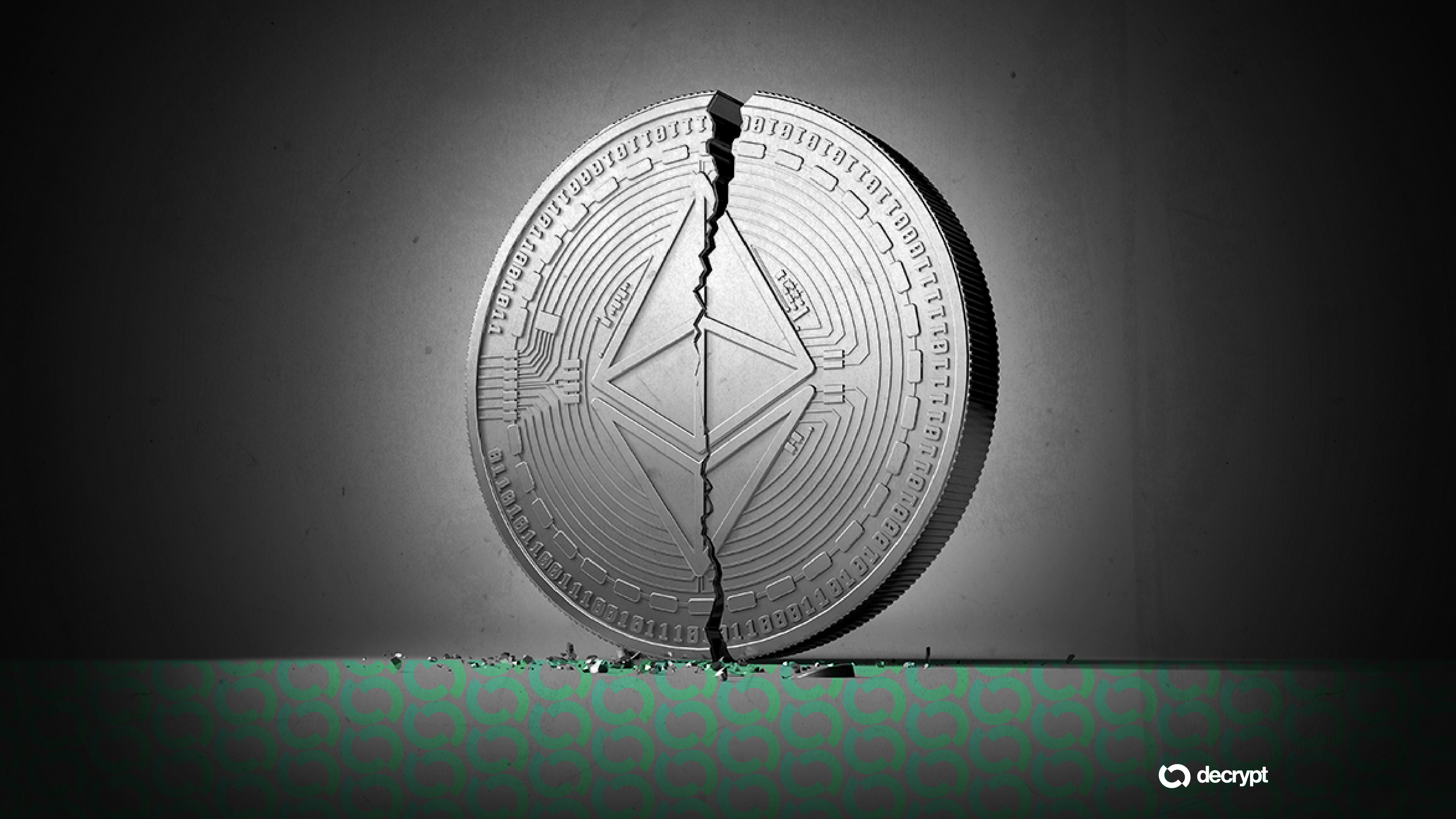
Ethereum Foundation researcher Justin Drake issued a significant warning on March 12, 2024, regarding the potential for artificial intelligence to break cryptocurrency encryption before the advent of quantum computing. Drake advised Ethereum holders to proactively move their funds to unused addresses as a precautionary measure against this emerging threat. The concern stems from the possibility that advanced AI models could develop the computational power or novel algorithms necessary to compromise the cryptographic signatures that secure digital assets. This contrasts with the more commonly discussed threat of quantum computers, which are also predicted to break current encryption standards but are generally considered to be further off.
Drake's warning highlights a growing awareness within the cybersecurity and cryptocurrency communities about the dual threats posed by both quantum computing and advanced AI. While quantum computing's ability to break widely used encryption algorithms like RSA and ECC has been a subject of research and development for years, the rapid advancements in AI, particularly in areas like machine learning and complex problem-solving, suggest that AI could present a similar or even more immediate risk. The specific mechanism by which AI might break encryption is not fully detailed, but it could involve AI discovering vulnerabilities in existing algorithms or developing entirely new methods for code-breaking that bypass current security protocols. This potential vulnerability affects the fundamental security of digital signatures used in blockchain transactions, which rely on the difficulty of solving specific mathematical problems.
The advice to move funds to unused addresses is a standard security practice known as "sweeping" or "rotating" wallets. By transferring assets to a new address, users create a fresh cryptographic key pair, effectively isolating their funds from any potential compromise of their old address's private key. This strategy is particularly relevant if the integrity of the current private key is called into question. Drake's emphasis on this action underscores the perceived urgency of the AI-driven encryption threat. The Ethereum Foundation, as a key organization in the development and support of the Ethereum blockchain, often disseminates important security information to its user base, aiming to foster a more resilient ecosystem.
This warning from a prominent Ethereum researcher adds another layer of complexity to the ongoing discussion about future-proofing digital security. It suggests that the race to develop quantum-resistant cryptography may need to consider AI-specific vulnerabilities as well. The implications extend beyond cryptocurrency, potentially impacting all systems that rely on current public-key cryptography for secure communication and transactions. The development of AI capable of breaking encryption would represent a significant paradigm shift in cybersecurity, requiring a rapid and comprehensive response from researchers, developers, and users across all digital sectors.
Original source — read the full reporting at the publisher:
Read on DecryptGet the weekly AI digest
AI news + new model releases, weekly. Drafted by our agents, reviewed by humans.