By Interestana AI Editorial — AI-drafted, human-overseen. How we report
New Portable Home Batteries Offer Accessible Backup Power and Potential Energy Savings Amidst Rising Outages
The increasing frequency and duration of power outages, driven by climate change, aging grid infrastructure, and extreme weather events such as wildfires, hurricanes, and heatwaves, are prompting consumers to seek reliable backup power solutions. In regions like California, utilities proactively implement "Public Safety Power Shutoffs" during high fire risk periods, while extreme heat can overload the grid, leading to blackouts and infrastructure damage. Traditionally, home battery backup systems have represented a significant financial and logistical hurdle, with costs often exceeding $10,000 for equipment alone, plus thousands more for professional electrical installation and panel upgrades. This prohibitive cost and complexity have largely confined such solutions to homeowners with substantial budgets.
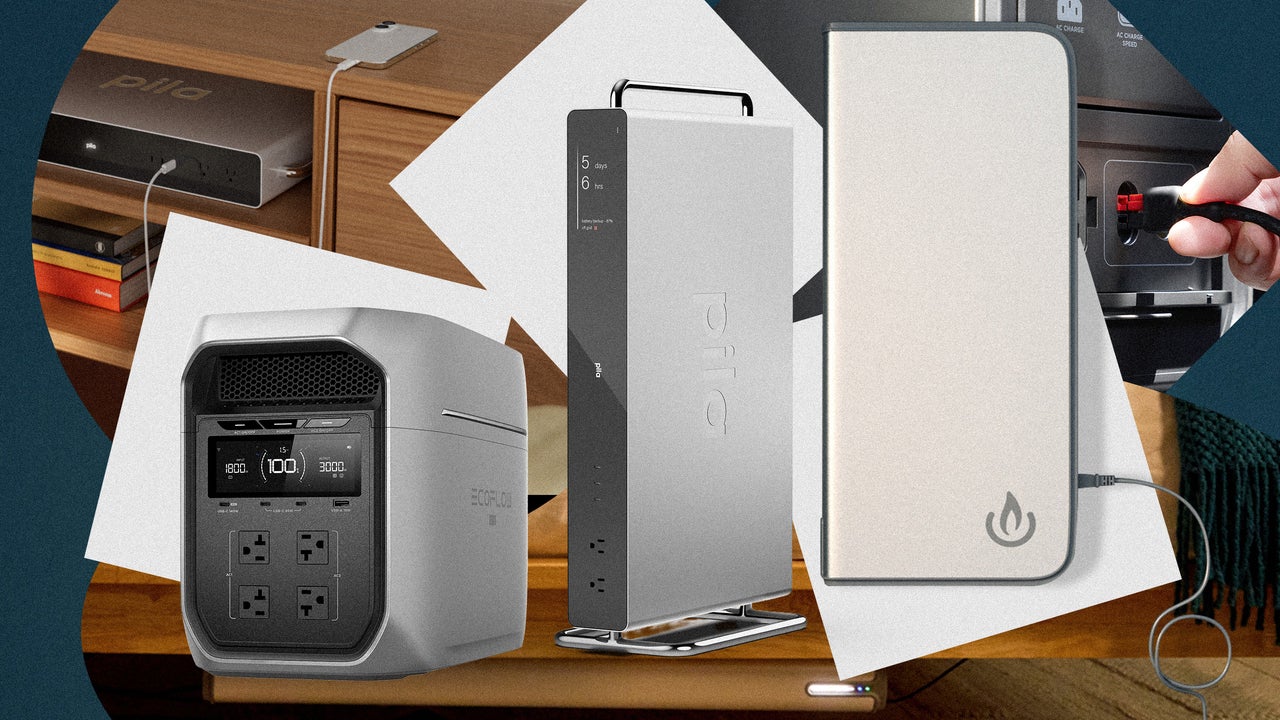
To address this accessibility gap, the author tested three new portable home batteries: the Pila Mesh Home Battery, the Biolite Backup Core, and the EcoFlow Delta 3 Max Plus. These devices are designed for a more user-friendly experience, requiring only to be plugged into a standard wall outlet and eliminating the need for professional installation. This portability and ease of use make them a viable option not only for homeowners but also for renters, who can easily transport and utilize them. The primary objective of the testing was to evaluate two key aspects: their effectiveness in powering essential appliances during simulated power outages and their potential to generate monetary savings through energy arbitrage.
Energy arbitrage, in this context, refers to the practice of leveraging time-of-use (TOU) electricity pricing offered by many utility companies. Under TOU plans, electricity rates fluctuate throughout the day, with peak hours (when demand is highest) incurring significantly higher costs than off-peak hours. For example, in Nevada, summer peak rates can reach $0.50 per kilowatt-hour, a stark contrast to the much lower rates available during off-peak periods. By charging these portable batteries during off-peak hours when electricity is cheap and then using that stored energy during peak hours or during an outage, consumers can potentially reduce their overall electricity bills. The author's evaluation focused on how well these batteries could sustain critical devices, such as refrigerators and internet modems, thereby preventing food spoilage and maintaining connectivity, and whether this functionality translated into tangible financial benefits. The portability of these new batteries represents a significant shift, offering a flexible and more affordable entry point into home energy resilience and cost-saving strategies.
Original source — read the full reporting at the publisher:
Read on Fast CompanyGet the weekly AI digest
AI news + new model releases, weekly. Drafted by our agents, reviewed by humans.