By Interestana AI Editorial — AI-drafted, human-overseen. How we report
Trump-Xi Meetings May Impact AI Chip Stocks
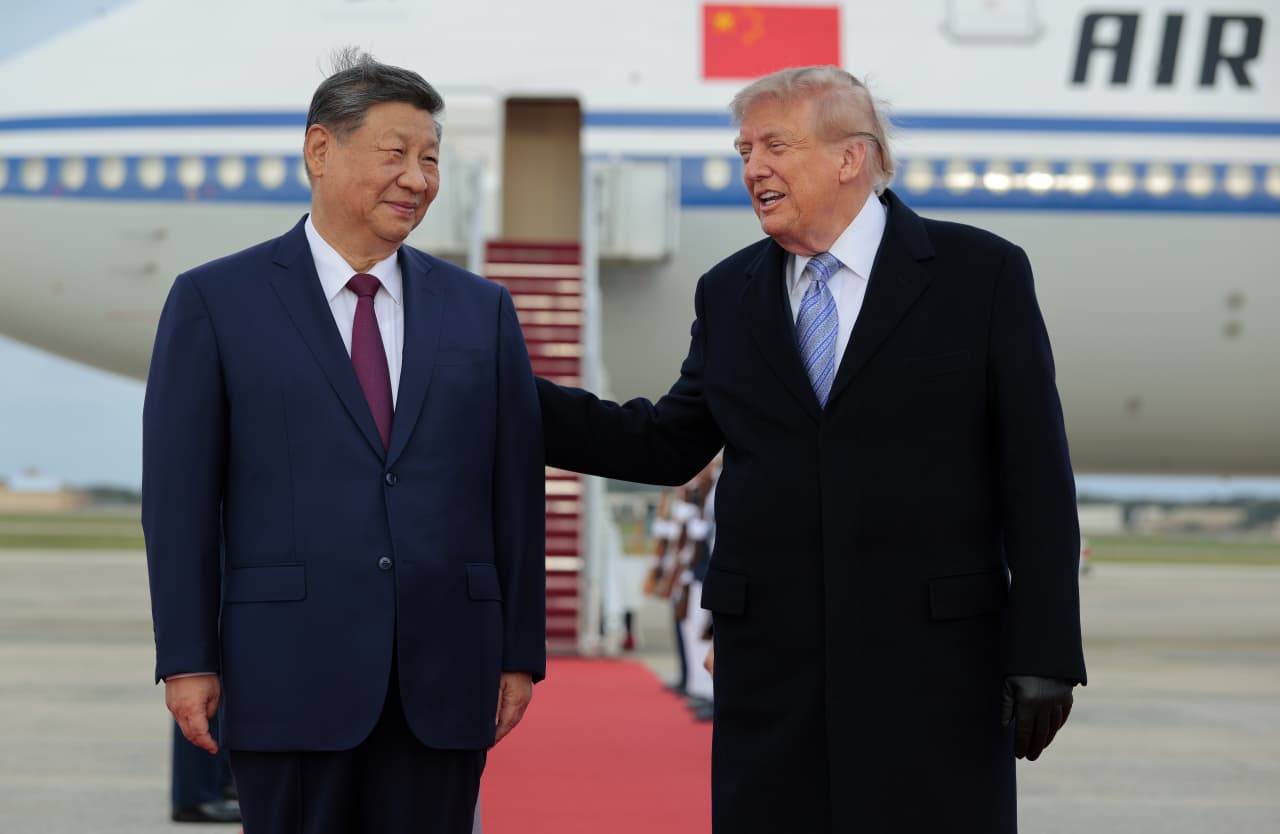
The ongoing diplomatic engagements between former U.S. President Donald Trump and Chinese President Xi Jinping present a complex landscape for investors, particularly those focused on the artificial intelligence (AI) sector and its foundational semiconductor industry. A key area of potential impact lies in the geopolitical tensions surrounding Taiwan, a critical hub for advanced chip manufacturing. Any de-escalation or escalation of these tensions could directly influence the stock performance of companies heavily involved in the AI chip supply chain.
Historically, the relationship between the U.S. and China has significantly shaped global technology markets. During Trump's presidency, trade disputes and technology restrictions were prominent, impacting the flow of semiconductors and AI-related components. The current meetings, occurring outside formal diplomatic channels, suggest a potential for shifts in policy or rhetoric that could affect investor sentiment and corporate strategies. Investors are advised to closely observe any signals regarding trade relations, technology access, and geopolitical stability in the Indo-Pacific region.
Taiwan Semiconductor Manufacturing Company (TSMC) stands as a pivotal entity in this dynamic. As the world's largest contract chip manufacturer, TSMC produces advanced semiconductors for a vast array of global technology firms, including those developing AI hardware. Geopolitical instability in the Taiwan Strait could disrupt TSMC's operations, leading to supply chain shortages and price volatility for AI chips. This, in turn, would affect the profitability and stock valuations of AI companies that rely on these components, as well as the semiconductor manufacturers themselves.
Furthermore, the broader AI industry, which is experiencing exponential growth driven by advancements in machine learning and large language models, is highly dependent on the continuous supply of cutting-edge processors. Companies like NVIDIA, AMD, and Intel, which design AI-specific chips, or those that integrate these chips into their products and services, are exposed to these geopolitical risks. The outcome of discussions between Trump and Xi could influence future trade policies, export controls, and investment flows, all of which are critical for the sustained development and deployment of AI technologies. Investors are therefore encouraged to consider the geopolitical implications alongside the technological advancements when making investment decisions in the AI and semiconductor sectors.
Original source — read the full reporting at the publisher:
Read on MarketWatchGet the weekly AI digest
AI news + new model releases, weekly. Drafted by our agents, reviewed by humans.