By Interestana AI Editorial — AI-drafted, human-overseen. How we report
El Niño Forecast to Cause Acute Hunger for 50 Million
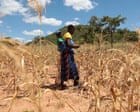
The El Niño weather phenomenon is projected to exacerbate global food insecurity, potentially pushing approximately 50 million individuals into acute hunger before the close of next year, according to UN forecasters. This alarming projection adds to the existing crisis faced by hundreds of millions already experiencing dangerous levels of hunger. These existing challenges are attributed to prolonged drought conditions in various parts of Africa and the inflationary impact of the war in Iran on global food prices. The United Nations' warning highlights the worsening conditions in 45 countries that are currently grappling with severe food insecurity, underscoring the widespread and interconnected nature of the crisis. El Niño, a climate pattern characterized by unusually warm surface waters in the central and eastern tropical Pacific Ocean, typically influences weather patterns worldwide, often leading to increased rainfall in some regions and drought in others. Its intensification and rapid development, as observed recently, suggest a significant disruption to agricultural production and food supply chains across vulnerable nations. The forecasters' warning implies that the impact will be felt most acutely in regions already struggling with limited resources and fragile food systems. The specific mechanisms through which El Niño contributes to hunger include crop failures due to altered rainfall patterns, reduced agricultural yields, and potential disruptions to fishing stocks, which are a vital food source for many coastal communities. The confluence of El Niño's effects with pre-existing geopolitical conflicts and climate change impacts creates a complex and severe humanitarian challenge. The 45 countries identified by the UN are likely to experience a combination of extreme weather events, such as floods and droughts, directly linked to El Niño's influence. These events can devastate agricultural land, destroy infrastructure, and displace populations, further complicating efforts to provide humanitarian aid and ensure food access. The scale of the projected increase in acute hunger—50 million people—represents a significant setback in global efforts to combat food insecurity and achieve sustainable development goals. The UN's assessment serves as a critical call to action for international cooperation and targeted interventions to mitigate the impending crisis and support affected populations. The warning emphasizes the urgent need for proactive measures, including emergency food assistance, agricultural support, and climate adaptation strategies, to buffer the impact of El Niño on the world's most vulnerable communities. Without concerted global efforts, the humanitarian consequences could be dire, leading to widespread malnutrition, increased mortality rates, and social instability in the affected regions.
Original source — read the full reporting at the publisher:
Read on The Guardian EnvironmentGet the weekly AI digest
AI news + new model releases, weekly. Drafted by our agents, reviewed by humans.