By Interestana AI Editorial — AI-drafted, human-overseen. How we report
Global Water Crisis Intensifies With Drought and Low River Levels
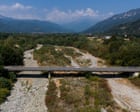
A pervasive and escalating global water crisis is manifesting through severe droughts, widespread water rationing, and critically low river levels, impacting diverse regions from Puerto Rico to Europe and the United States. Recent reports highlight Puerto Rico's deep water crisis, with drought conditions significantly reducing water supplies for thousands of residents. This situation underscores the immediate and tangible effects of water scarcity on populations. In Europe, major rivers such as the Rhine and the Po have reached record low levels, disrupting ecosystems, economies, and critical infrastructure. The Rhine, a vital artery for shipping and industry, and the Po, a crucial water source for agriculture in northern Italy, are experiencing unprecedented dryness. This environmental stress is so severe that Hungary's sole nuclear power plant is reportedly on the verge of shutdown due to insufficient water in the Danube River, necessary for its cooling systems. The implications extend beyond immediate water availability, affecting energy production and potentially leading to widespread economic disruption. In the United States, the seven states reliant on the Colorado River are engaged in intense disputes over unprecedented water shortages. The river's primary reservoirs, Lake Mead and Lake Powell, have fallen to their lowest points since their construction, signaling a long-term decline in water availability for millions of people across the American Southwest. This crisis is not limited to freshwater sources; even bodies of water in England have been found to be contaminated with toxic chemicals, indicating a broader issue of water quality degradation alongside quantity shortages. The confluence of these events—drought, low river levels, and pollution—paints a grim picture of a world grappling with a multifaceted water crisis, demanding urgent attention and comprehensive solutions. The interconnectedness of water resources means that challenges in one region can have ripple effects globally, impacting food security, energy production, and public health. The current situation serves as a stark reminder that the water crisis is not a future threat but a present reality that requires immediate and sustained action from governments, industries, and individuals alike to ensure sustainable water management and mitigate the worst impacts of scarcity and pollution.
Original source — read the full reporting at the publisher:
Read on The Guardian EnvironmentGet the weekly AI digest
AI news + new model releases, weekly. Drafted by our agents, reviewed by humans.