By Interestana AI Editorial — AI-drafted, human-overseen. How we report
Drone Footage Reveals Devastating Drought Impacting Brazil's Araguaia River
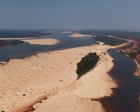
Drone footage captured on September 17, 2026, provides a stark visual testament to the severe drought conditions currently afflicting Brazil's Araguaia River. The images reveal a dramatically diminished river, with extensive exposed sandbanks and a significantly reduced water volume, underscoring the critical state of this vital waterway. This environmental crisis is unfolding against a backdrop of heightened national concern as Brazil prepares for the potential impacts of El Niño, a naturally occurring climate pattern known for its capacity to induce significant global weather anomalies. Forecasts indicate that El Niño's influence may be most pronounced in late 2026 and extend into 2027, a period that typically brings prolonged dry spells to some regions while causing excessive rainfall in others.
The Tocantins-Araguaia basin, a vast and ecologically significant hydrographic system in central and northern Brazil, is already experiencing severe drought conditions. The Araguaia River, a principal component of this basin, is therefore particularly vulnerable to the climatic shifts associated with El Niño. The basin itself is crucial for both the natural environment and the economic activities of the region. The Araguaia River, in particular, serves as a lifeline for numerous local communities, facilitating transportation, supporting vital fishing industries, and providing essential water resources for daily life and agriculture.
The current drought and the anticipated El Niño event pose significant threats to the region's biodiversity. Aquatic ecosystems within the river and its surrounding wetlands are under immense pressure, impacting fish populations and the habitats of countless species that depend on a healthy riverine environment. Furthermore, Brazil's agricultural sector, a cornerstone of its economy, faces substantial risks. Reduced water availability directly translates to potential crop failures and losses in livestock, with cascading economic consequences.
This situation underscores the intricate relationship between global climate patterns, regional water resources, and socio-economic stability. As Brazil confronts the challenges posed by this severe drought and the looming threat of El Niño, there is an amplified focus on the necessity of implementing robust water management strategies. These strategies must be complemented by comprehensive climate change adaptation measures and a commitment to sustainable resource utilization to build resilience against future environmental shocks. The drone footage serves as a powerful and tangible reminder of the profound and immediate consequences that changing climate conditions can have on natural landscapes and the human populations that rely upon them.
Original source — read the full reporting at the publisher:
Read on The Guardian EnvironmentGet the weekly AI digest
AI news + new model releases, weekly. Drafted by our agents, reviewed by humans.