By Interestana AI Editorial — AI-drafted, human-overseen. How we report
Sea Lion Epidemic Signals Broader Health Risks
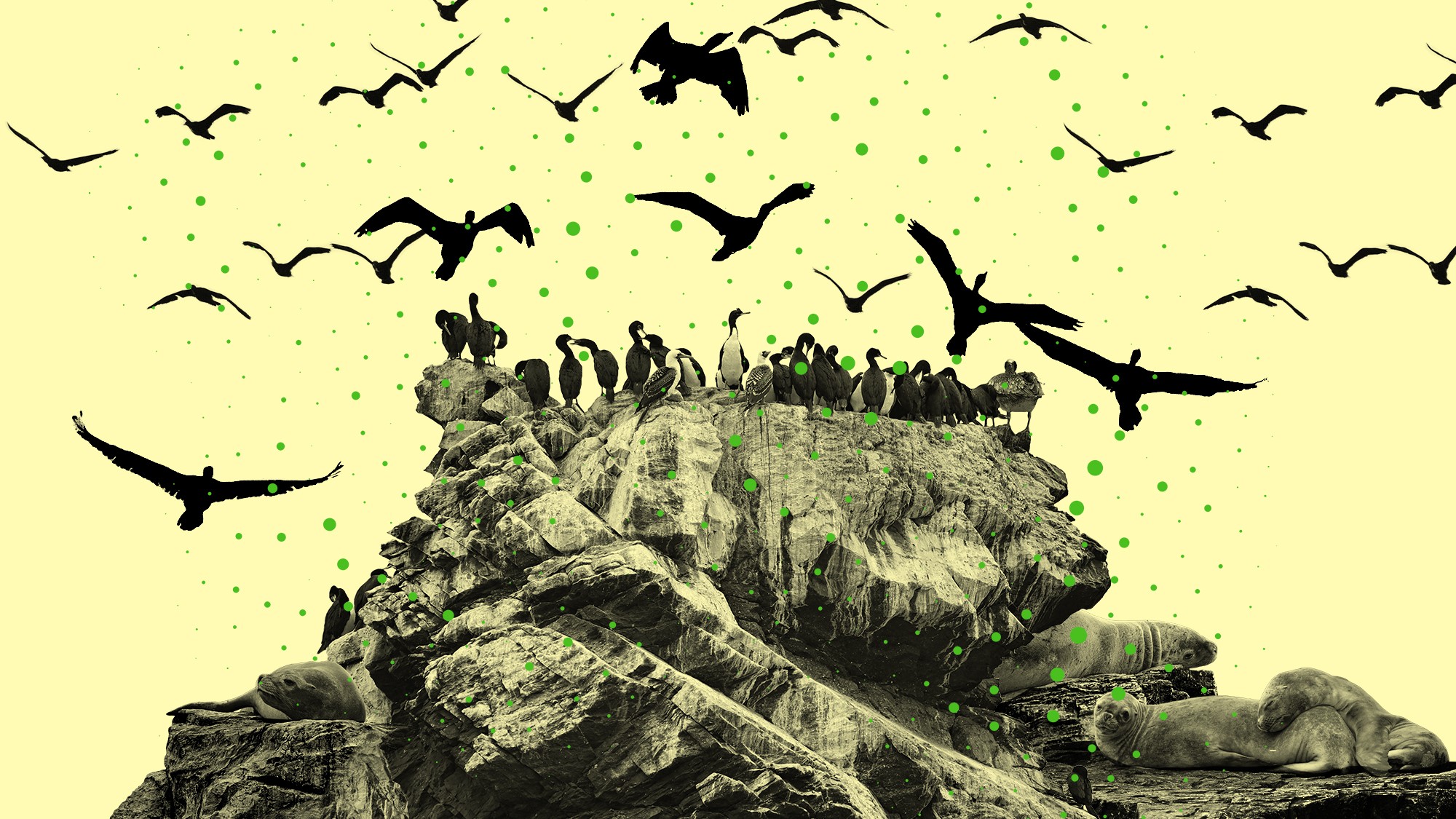
A recent epidemic affecting sea lions has emerged as a concerning indicator of potential health risks to humans, particularly due to the species' role as a bridge between wild ecosystems and human populations. These marine mammals, often found in coastal areas frequented by people, can act as vectors for zoonotic diseases, which are infections that can spread from animals to humans. The current outbreak underscores the critical importance of monitoring wildlife health as an early warning system for potential public health crises.
Sea lions, like other pinnipeds, inhabit environments that bring them into close contact with both marine wildlife and human activities such as fishing, tourism, and coastal development. This proximity increases the likelihood of pathogen transmission. Diseases that emerge in sea lion populations can potentially spread to other marine species, and subsequently, to humans through direct contact, consumption of contaminated seafood, or environmental exposure. The specific pathogen responsible for the current sea lion epidemic has not been detailed, but such outbreaks can be caused by viruses, bacteria, or toxins that thrive in shared environments. Understanding the transmission dynamics within the sea lion population and the potential for spillover to other species, including humans, is crucial for effective public health interventions.
The interconnectedness of ecosystems means that the health of wildlife populations is intrinsically linked to human well-being. Animals that occupy ecological niches bridging the wild and the human-dominated world are of particular concern. These species can amplify and transmit pathogens, making them sentinels for emerging infectious diseases. The sea lion epidemic serves as a stark reminder that threats originating in the natural world can have direct and significant consequences for human health. This necessitates robust surveillance programs for wildlife diseases and a proactive approach to managing human-wildlife interactions to mitigate the risk of future pandemics.
Public health authorities and researchers are likely to be closely examining the sea lion outbreak to identify the causative agent, understand its spread, and assess the risk of transmission to humans. This involves epidemiological studies, laboratory testing of affected animals, and environmental sampling. The findings from such investigations will inform strategies for disease control, conservation efforts for the sea lion population, and public health advisories. The long-term implications of this epidemic extend beyond the immediate health concerns, highlighting the need for continued investment in One Health approaches that recognize the inseparable link between the health of people, animals, and the environment.
Original source — read the full reporting at the publisher:
Read on The AtlanticGet the weekly AI digest
AI news + new model releases, weekly. Drafted by our agents, reviewed by humans.