By Interestana AI Editorial — AI-drafted, human-overseen. How we report
Trump Forms AI Task Force With Competing Factions
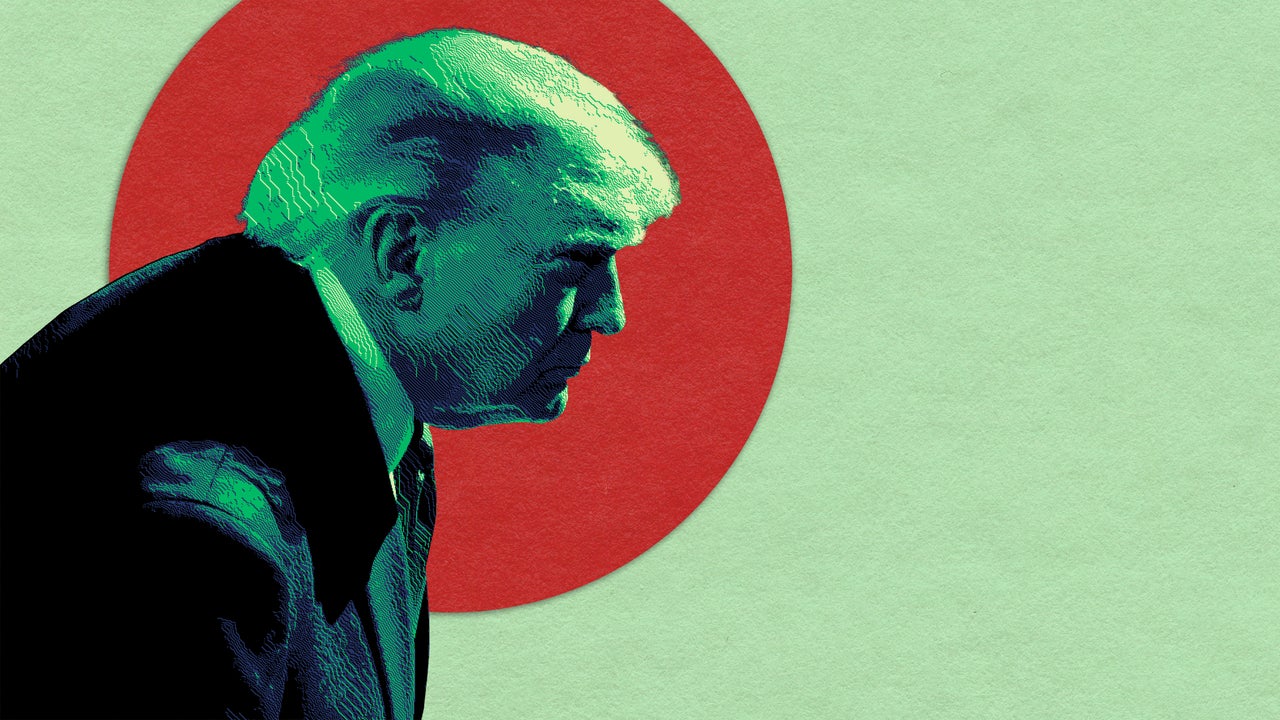
Donald Trump has established a new Artificial Intelligence task force, co-chaired by Director of National Intelligence Jay Clayton, Office of Personnel Management Director Scott Kupor, Chief Technology Officer Emil Michael, and FTC Vice Chair Andrew Ferguson. This group is designed to navigate the diverse and often conflicting interests influencing the administration's approach to AI development and regulation. The selection of four co-chairs underscores a significant division within the U.S. regarding how to manage the rapidly evolving AI landscape, presenting Trump with the challenge of aligning these competing priorities.
One key faction represented within the task force comprises "Silicon Valley accelerationists" who advocate for prioritizing the rapid development of more capable AI systems. This perspective is championed by figures like David Sacks, who has been instrumental in shaping the Trump White House's AI agenda. Scott Kupor, a co-chair of the task force, has also voiced concerns about the feasibility of implementing detailed regulations for a technology that is undergoing constant and swift change. The administration has already taken steps to address some of these concerns, including efforts to preempt stricter state-level AI legislation and to promote a federal framework characterized by minimal regulatory burden.
Conversely, a substantial segment of the MAGA coalition advocates for significantly tighter controls on advanced "frontier AI" models. In May, over 60 Trump allies, including prominent figures such as Steve Bannon, Amy Kremer, and Brendan Steinhauser, signed a letter coordinated by Humans First. This letter called for mandatory testing, evaluation, vetting, and governmental approval processes to be implemented before potentially hazardous frontier AI models can be deployed. Steve Bannon, a vocal proponent of this viewpoint, has even engaged with individuals across the political spectrum, notably appearing with Senator Bernie Sanders at an event focused on strengthening AI regulation. Bannon's engagement highlights a bipartisan concern regarding the potential risks associated with unchecked AI advancement, adding another layer of complexity to the task force's mandate.
The task force's composition reflects an attempt to reconcile these divergent viewpoints. The "accelerationist" wing prioritizes innovation and speed, viewing stringent regulation as a potential impediment to U.S. competitiveness in the global AI race. They often argue that the pace of AI development outstrips the ability of regulators to create effective and timely rules. On the other hand, the "MAGA's Big Tech-hating branch" emphasizes safety, security, and ethical considerations, urging for robust oversight to prevent potential misuse or unintended consequences of powerful AI systems. This group often points to the potential for AI to exacerbate societal inequalities, disrupt labor markets, or pose national security risks if not carefully managed. The challenge for Trump and his task force lies in finding a middle ground that fosters technological progress while adequately addressing the legitimate concerns about AI's societal impact and potential dangers.
Original source — read the full reporting at the publisher:
Read on Fast CompanyGet the weekly AI digest
AI news + new model releases, weekly. Drafted by our agents, reviewed by humans.