By Interestana AI Editorial — AI-drafted, human-overseen. How we report
US Shifts Strategy for Iran Round Two
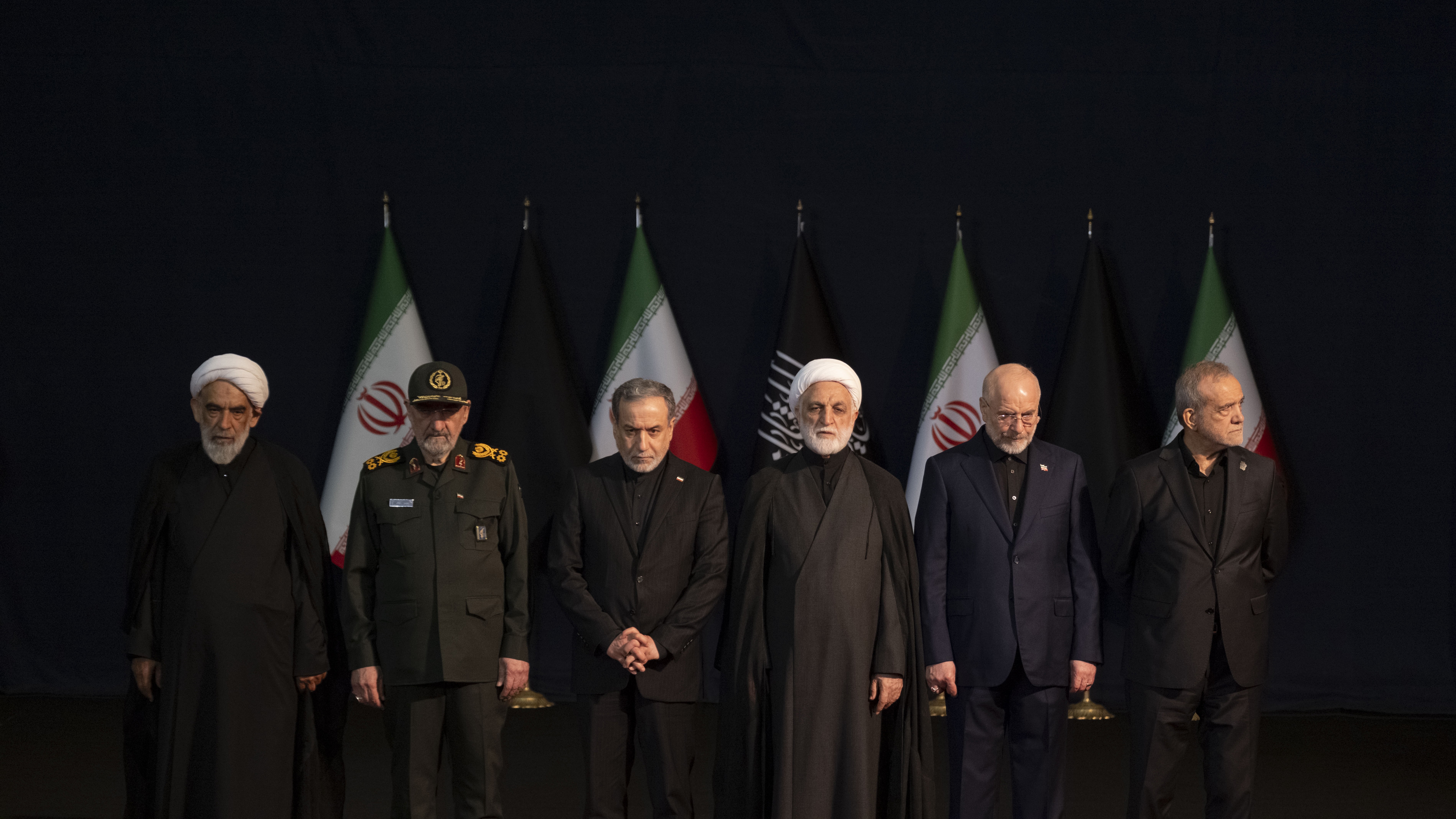
The United States is subtly altering its strategic approach for future engagements concerning Iran, indicating a potential shift in diplomatic and policy objectives. This adjustment comes as the international community continues to monitor Iran's regional activities and its nuclear program. The specifics of this revised strategy have not been publicly detailed, but sources suggest it involves a more nuanced application of diplomatic pressure and potential incentives.
This recalibration by the U.S. administration aims to address the complex geopolitical landscape in the Middle East, where Iran plays a significant role. Previous strategies have focused on sanctions and international isolation, with mixed results. The new approach may incorporate elements of direct negotiation or multilateral dialogue, seeking to de-escalate tensions and find common ground on critical issues.
Analysts suggest that the U.S. is seeking to avoid a direct military confrontation while still ensuring its security interests and those of its allies in the region are protected. The effectiveness of this evolving strategy will likely depend on Iran's response and the broader regional dynamics, including the involvement of other key international players such as Russia, China, and European nations.
The administration's move reflects a broader reassessment of foreign policy tools in dealing with state actors that pose challenges to international stability. The coming months will be crucial in determining the tangible outcomes of this strategic pivot and its impact on Iran's behavior and its relationship with the global community.
Original source — read the full reporting at the publisher:
Read on The AtlanticGet the weekly AI digest
AI news + new model releases, weekly. Drafted by our agents, reviewed by humans.