By Interestana AI Editorial — AI-drafted, human-overseen. How we report
African Nations Divided on Infantino's FIFA Presidency
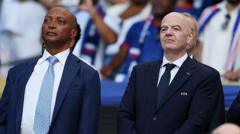
Gianni Infantino's position as FIFA president faces scrutiny as key African footballing nations exhibit a divided stance, with the Confederation of African Football (CAF) yet to issue an official position. This internal division within Africa, a significant voting bloc in FIFA, raises questions about the continent's continued support for Infantino, whose tenure has been marked by both reforms and controversies. The lack of a unified front from CAF could impact future FIFA presidential elections and the continent's influence within the global football governing body. Several prominent African footballing nations have privately indicated differing viewpoints, reflecting a complex political landscape within the sport.
Sources close to discussions within African football federations suggest that while some nations are content with Infantino's leadership and the financial support FIFA has provided under his administration, others harbor concerns regarding governance, transparency, and the equitable distribution of resources. These concerns are often linked to past allegations and investigations into FIFA's operations, which have cast a shadow over Infantino's leadership. The specific nature of these concerns varies, with some federations reportedly focused on the perceived lack of progress in grassroots development, while others are more attuned to the broader ethical questions surrounding FIFA's decision-making processes. The absence of a public statement from CAF underscores the delicate balancing act African football administrators are performing, attempting to navigate these internal disagreements while maintaining a cohesive voice on the international stage.
Infantino, who first became FIFA president in 2016 following the corruption scandal that led to the downfall of Sepp Blatter, has since been re-elected. His presidency has seen significant changes, including an expansion of the FIFA World Cup and increased investment in member associations. However, he has also faced investigations by the FIFA Ethics Committee and scrutiny from various media outlets regarding his dealings and the transparency of FIFA's operations. The African continent, with its 54 member associations, holds considerable voting power within FIFA, making the stance of its nations crucial in presidential elections. The current ambiguity surrounding Africa's collective support highlights the ongoing political dynamics within global football governance and the challenges of achieving consensus among diverse national interests.
The upcoming FIFA congresses and potential future presidential elections will likely see these internal discussions within African football come to the fore. The ability of CAF to forge a unified position will be a key indicator of the continent's influence and its strategic direction within the global footballing community. The varied opinions among key footballing nations suggest that Infantino's leadership continues to be a subject of debate, even within continents that have historically been strong supporters of FIFA's initiatives. The outcome of these deliberations could shape the future leadership of FIFA and the direction of international football development for years to come.
Original source — read the full reporting at the publisher:
Read on BBC World NewsGet the weekly AI digest
AI news + new model releases, weekly. Drafted by our agents, reviewed by humans.