By Interestana AI Editorial — AI-drafted, human-overseen. How we report
Digital Critical Infrastructure Needs Better Design and Management
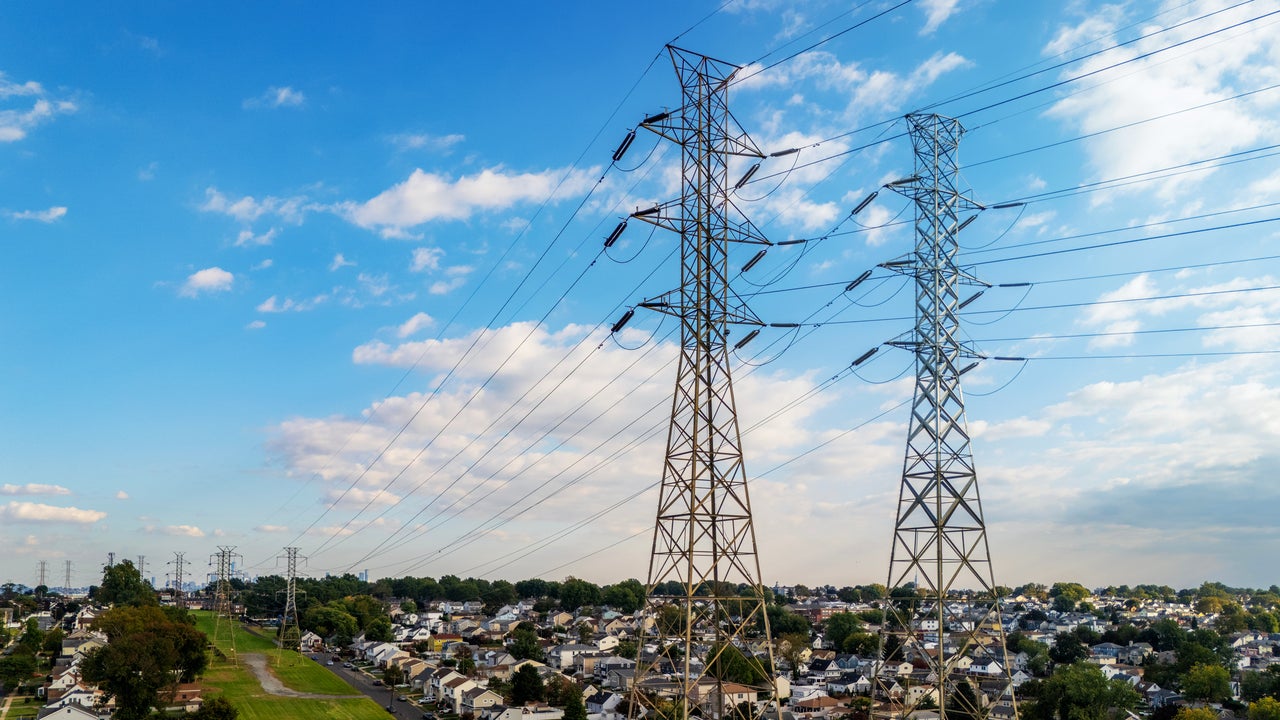
Digital critical infrastructure, encompassing systems essential for daily life such as water, energy grids, and financial services, also includes the digital technologies people rely on for information, communication, and decision-making. This category now extends to search engines, social media platforms, and AI-powered services, all of which are fundamental to functioning in modern society. Failures in these digital systems, like search engines shaping information, social media being polluted with misinformation, or AI services providing unsafe recommendations, are often dismissed as unavoidable costs of engaging with the commercial sector, leading to a sense of "digital resignation." However, according to the former director of the San Diego Supercomputer Center and cofounder of the international Research Data Alliance, digital infrastructure can be designed, built, and managed to prioritize human well-being, mirroring the approach taken with other critical infrastructure. This transition necessitates a societal shift in expectations and actions from both public and private sectors regarding the creation, regulation, and utilization of these services. The need for better digital infrastructure management is highlighted by past failures in traditional critical infrastructure, such as the Flint water crisis in 2014, where lead seepage poisoned the water supply, and the widespread power outage in Puerto Rico on New Year's Eve in 2024, which left nearly the entire island without electricity. These events underscore the public's expectation that critical infrastructure should be reliable, minimize risks, and promote public well-being. Applying these principles to digital infrastructure means addressing issues like algorithmic bias, data privacy, and the spread of disinformation. The current model, where digital services are primarily driven by commercial interests, often leads to outcomes that do not align with public good. For instance, search engines may prioritize sponsored content or shape search results in ways that benefit advertisers rather than users seeking objective information. Similarly, social media platforms struggle to effectively combat the proliferation of fake news and hate speech, impacting public discourse and trust. AI-driven services, while offering powerful analytical capabilities, can also perpetuate existing societal biases or generate unreliable outputs if not carefully designed and monitored. The author's experience suggests that a more collaborative approach involving researchers, policymakers, and the public is crucial for developing robust and trustworthy digital infrastructure. This includes establishing clear standards for data integrity, algorithmic transparency, and user safety. Furthermore, fostering digital literacy among the public can empower individuals to critically evaluate the information they encounter and make informed decisions about their online engagement. Ultimately, the goal is to create a digital ecosystem that is as reliable and beneficial as traditional essential services, ensuring that technological advancements serve humanity rather than undermine it.
Original source — read the full reporting at the publisher:
Read on Fast CompanyGet the weekly AI digest
AI news + new model releases, weekly. Drafted by our agents, reviewed by humans.