By Interestana AI Editorial — AI-drafted, human-overseen. How we report
OpenAI's Astra Model Boosts Semiconductor Sector Recovery
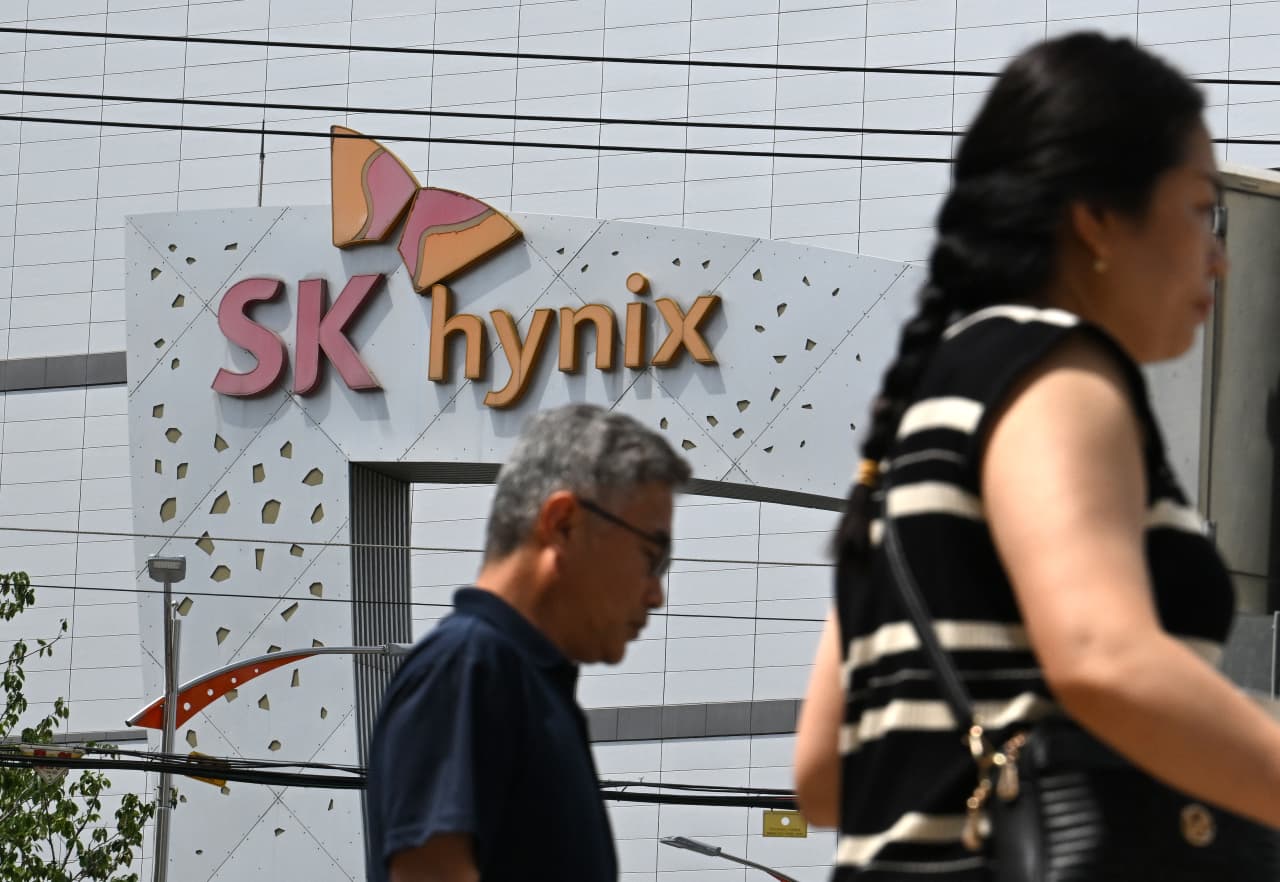
The semiconductor sector has experienced a notable recovery, with its trough occurring on July 29. This resurgence has been significantly bolstered by the recent release of OpenAI's Astra model, which has further strengthened market sentiment. The launch of Astra, a new model from the artificial intelligence research organization OpenAI, has injected renewed optimism into the memory chip trade, a segment that had previously seen a downturn. This positive impact on the semiconductor industry highlights the growing interdependence between advancements in artificial intelligence and the hardware that powers them. The demand for sophisticated AI models like Astra necessitates powerful and efficient computing infrastructure, directly influencing the performance and outlook of semiconductor manufacturers. Specifically, the development and deployment of large-scale AI models require substantial amounts of high-bandwidth memory (HBM) and advanced processing units, driving demand for specialized chips. The recovery observed in the semiconductor sector following Astra's release suggests that investors and industry observers are anticipating increased orders and innovation in response to the capabilities offered by this new AI technology. OpenAI, known for its development of advanced AI models such as GPT-3 and GPT-4, continues to push the boundaries of artificial intelligence. The introduction of Astra is expected to further accelerate research and development in areas like natural language processing, computer vision, and potentially other multimodal AI applications. Each of these advancements typically requires more powerful and specialized hardware, creating a feedback loop that benefits the semiconductor industry. The recovery in the memory chip trade, in particular, is a critical indicator for the broader semiconductor market. Memory chips, including DRAM and NAND flash, are fundamental components in a vast array of electronic devices, from smartphones and personal computers to servers and data centers. A strong performance in this segment often signals robust demand across the technology ecosystem. The positive correlation between AI model releases and semiconductor market performance underscores a key trend: the increasing reliance of technological progress on the underlying hardware infrastructure. As AI models become more complex and capable, the demand for cutting-edge semiconductor solutions, including those for AI acceleration and high-performance computing, is expected to grow. This dynamic positions companies involved in the design and manufacturing of advanced chips, particularly those catering to AI workloads, for continued growth and investment. The recovery since late July indicates a shift in market perception, with Astra's launch serving as a significant catalyst for renewed confidence in the future of the semiconductor industry and its integral role in the ongoing AI revolution.
Original source — read the full reporting at the publisher:
Read on MarketWatchGet the weekly AI digest
AI news + new model releases, weekly. Drafted by our agents, reviewed by humans.