By Interestana AI Editorial — AI-drafted, human-overseen. How we report
Poop May Have Fueled Cambrian Explosion Evolution
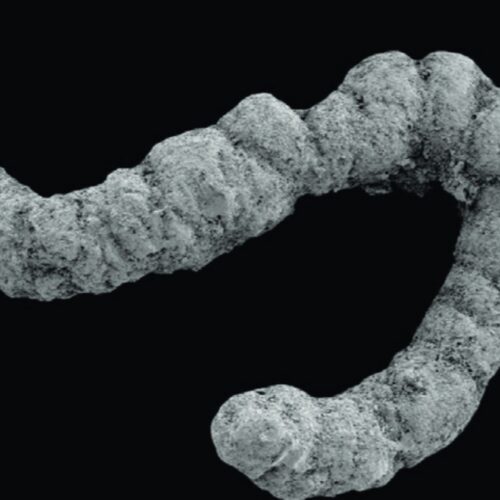
The evolutionary surge known as the Cambrian Explosion, which saw the rapid diversification of animal life approximately 541 million years ago, may have been significantly influenced by the advent of animal defecation. This period, occurring about 600 million years after the first simple animals appeared on Earth, witnessed the emergence of most of the animal phyla and complex ecosystems that exist today. A recent study proposes that the development of pooping by early animals played a crucial role in this evolutionary acceleration. The act of defecation, specifically the formation of fecal pellets, is theorized to have facilitated the distribution of vital nutrients into deeper ocean environments. This nutrient dispersal would have supported the growth and development of larger, more complex animal forms, thereby fostering greater biodiversity and enabling animals to occupy a wider array of ecological niches. Prior to the evolution of efficient digestive systems and the resulting production of concentrated waste, nutrient cycling in the ocean was likely less effective. The accumulation and subsequent release of nutrients through fecal matter would have created new opportunities for life to flourish in previously less-inhabited or less-supported marine zones. This process could have provided the necessary biological and ecological scaffolding for the rapid evolutionary branching observed during the Cambrian period. The study's findings suggest a direct link between a fundamental biological process—waste elimination—and one of the most significant evolutionary events in Earth's history. It highlights how seemingly simple biological innovations can have profound and far-reaching consequences for the development of life. The research indicates that the ability to process food and excrete waste in a concentrated form was not merely a physiological adaptation but a key environmental and evolutionary driver. This mechanism would have fundamentally altered marine ecosystems, making them more productive and capable of supporting a greater biomass and a wider range of life forms. The Cambrian Explosion is characterized by the relatively sudden appearance of organisms with hard exoskeletons, complex body plans, and diverse feeding strategies. The proposed role of fecal pellets in nutrient distribution offers a compelling explanation for how the energy and resources necessary for such rapid and widespread evolutionary change became available. Without this enhanced nutrient cycling, the development of larger, more metabolically active animals and the intricate food webs they formed might not have occurred at the pace observed. The study's implications extend to our understanding of how biological innovations can shape planetary environments and drive evolutionary trajectories, underscoring the interconnectedness of physiological adaptations and ecological development over geological timescales.
Original source — read the full reporting at the publisher:
Read on Ars TechnicaGet the weekly AI digest
AI news + new model releases, weekly. Drafted by our agents, reviewed by humans.