By Interestana AI Editorial — AI-drafted, human-overseen. How we report
Western Australia Fears Bird Flu Threat to Black Swans
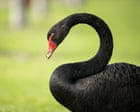
Western Australia is facing a potential crisis as the H5N1 avian influenza virus threatens its flagship species, the black swan. Experts are warning of "significant mortality" among these birds, which serve as a crucial "indicator species" for the presence and spread of the highly pathogenic virus. According to Kirsty Short, a virologist at the University of Queensland, black swans are particularly vulnerable to H5N1, exhibiting a low survival rate once infected. This vulnerability makes their population a bellwether for the disease's impact on the broader ecosystem.
The potential arrival of H5N1 in Western Australia has prompted widespread concern, with the black swan's high visibility and symbolic status amplifying the perceived threat. The state's government and wildlife authorities are closely monitoring the situation, implementing biosecurity measures to prevent the introduction and spread of the virus. The H5N1 strain has already caused significant mortality events in bird populations globally, and its potential impact on Western Australia's unique biodiversity is a major concern. The state's Department of Primary Industries and Regional Development is coordinating efforts to monitor wild bird populations and provide guidance to poultry farmers and the public.
The ecological implications of a widespread H5N1 outbreak could be severe. Black swans are an integral part of Western Australia's wetland ecosystems, playing roles in seed dispersal and nutrient cycling. A significant decline in their numbers could disrupt these delicate ecological balances. Furthermore, the virus poses a zoonotic risk, meaning it can potentially transmit to humans, although such transmissions are currently rare. Health authorities are emphasizing the importance of avoiding contact with sick or dead birds and reporting any unusual wildlife mortality events to the relevant authorities. The state's Department of Health is working in conjunction with the Department of Primary Industries and Regional Development to assess and manage any potential public health risks.
This situation highlights the ongoing challenges posed by emerging infectious diseases in wildlife and their potential to impact both ecosystems and human health. The vulnerability of indicator species like the black swan underscores the need for robust surveillance and rapid response mechanisms. The Western Australian government is reportedly increasing its surveillance efforts in known black swan habitats and along migratory bird routes. The potential for a "black swan moment," a term often used to describe an unpredictable and high-impact event, is a stark reminder of the fragility of natural systems and the interconnectedness of wildlife health and human well-being. The state is urging the public to remain vigilant and report any suspected cases of avian influenza in wild birds.
Original source — read the full reporting at the publisher:
Read on The Guardian EnvironmentGet the weekly AI digest
AI news + new model releases, weekly. Drafted by our agents, reviewed by humans.