By Interestana AI Editorial — AI-drafted, human-overseen. How we report
Datacenter AI Boom to Triple Toxic E-Waste by 2051
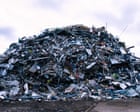
The rapid global expansion of datacenters to support artificial intelligence development is projected to generate a "tsunami" of discarded electronics, potentially tripling the world's annual e-waste by 2051. This forecast comes from a new report by the non-profit environmental organization Basel Action Network (BAN). The report estimates that the electronic waste produced by AI datacenters over the next 25 years could fill approximately 600 million shipping containers, a volume sufficient to encircle the Earth six times. Currently, there is no comprehensive plan in place to manage this anticipated surge in electronic waste. The discarded components typically contain hazardous substances such as lead, mercury, cadmium, and per- and polyfluoroalkyl substances (PFAS), often referred to as "forever chemicals." Additionally, these electronics contain valuable metals that are difficult to extract and reclaim responsibly. The Basel Action Network (BAN) is an environmental organization that works to prevent the dumping of toxic waste on countries in the Global South. Their report, titled "AI Waste Wave Part 1," highlights the significant environmental challenges posed by the burgeoning AI industry. The increasing demand for computing power to train and run AI models necessitates the construction of vast numbers of datacenters, each housing thousands of servers and other electronic equipment. These components have a limited lifespan and will eventually need to be replaced, contributing to the growing e-waste stream. The report emphasizes that the toxic materials present in this e-waste pose serious risks to human health and the environment if not managed properly. Improper disposal can lead to soil and water contamination, impacting ecosystems and communities. The valuable metals within the waste, such as gold, silver, and copper, represent a lost resource if not recovered through effective recycling processes. The scale of the projected e-waste generation underscores the urgent need for proactive strategies and international cooperation to address the environmental footprint of AI. This includes developing sustainable datacenter designs, extending the lifespan of electronic components, and establishing robust e-waste management and recycling infrastructure. The report serves as a critical warning to policymakers, industry leaders, and the public about the environmental consequences of unchecked AI growth and the imperative to implement sustainable practices.
Original source — read the full reporting at the publisher:
Read on The Guardian EnvironmentGet the weekly AI digest
AI news + new model releases, weekly. Drafted by our agents, reviewed by humans.