By Interestana AI Editorial — AI-drafted, human-overseen. How we report
Cyborg Cockroaches Tested for Disaster Search and Rescue
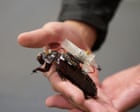
Biorobotics engineers are developing six-legged cyborg insects, specifically giant burrowing cockroaches, to function as potential 'first responders' in disaster scenarios such as earthquakes. These modified insects are being equipped with integrated cameras for visual reconnaissance and miniature medical injectors, which could deliver life-saving medication to individuals trapped under rubble. The primary objective of this research is to enhance search and rescue capabilities in major disasters, where traditional methods may face significant challenges in accessing confined or unstable environments. The cockroaches' natural ability to navigate tight spaces and survive harsh conditions makes them an attractive candidate for such missions. By attaching small cameras, rescuers could gain real-time visual information about the location and condition of survivors, even in areas inaccessible to human teams or larger robots. The inclusion of medical injectors suggests a dual role, potentially allowing the cyborg insects to administer critical treatments like antibiotics or pain relief directly to victims, thereby buying crucial time before professional medical help can arrive. This innovative approach leverages biomimicry and robotics to create a novel solution for emergency response. The development is part of ongoing efforts in biorobotics to integrate biological organisms with electronic systems for practical applications. While the specific research institution or lead scientists are not detailed in the provided text, the concept represents a significant advancement in the field of disaster response technology. The potential for these cyborg cockroaches to operate in environments where human intervention is dangerous or impossible highlights their unique value. Their small size allows them to penetrate debris piles and collapsed structures, providing vital intelligence and potentially direct aid. The successful implementation of such technology could dramatically improve survival rates in future disaster events by enabling faster and more targeted rescue operations. The ongoing testing and refinement of these cyborg insects are crucial steps towards their deployment in real-world emergency situations. The project aims to create a cost-effective and efficient tool that complements existing search and rescue protocols, offering a new dimension of capability in the critical initial hours following a disaster.
Original source — read the full reporting at the publisher:
Read on The Guardian WorldGet the weekly AI digest
AI news + new model releases, weekly. Drafted by our agents, reviewed by humans.