By Interestana AI Editorial — AI-drafted, human-overseen. How we report
Stubble Fields Show Shift in Farming Practices
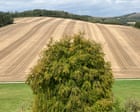
Stubble fields, the post-harvest acres of short straw left after crops are gathered, are undergoing a visible transformation, reflecting shifts in agricultural practices. These fields, which historically served as a temporary, accessible space for shortcuts before autumn or winter ploughing, are now exhibiting significant differences between traditional and modern, regenerative approaches. The author notes a wistful attachment to the former iteration of stubble fields, recalling them as a "temporary commons" where one could traverse the dew-filled straws, experiencing a brief period of open access before the land was prepared for the next season. However, the contemporary landscape presents a varied picture, with stubble fields no longer presenting a uniform appearance.
One notable observation is the extended duration stubble fields are remaining in the landscape, a change attributed to farmers adopting new methodologies. In contrast to the past, where stubble would be left until midwinter, allowing natural processes like frost to break down soil clods, modern techniques are altering this cycle. The article describes a specific instance below Cleve Hill Down, where a tractor is drilling winter wheat directly into a bare seedbed situated between stubble. This particular field is characterized by its regular herbicide application, resulting in a weed-free environment. The visual outcome is a pale-gold expanse, likened to "machine-knitted tweed," devoid of the natural, wild growth that would have been present a century ago. This contrasts sharply with the stubble fields of the past, which would have been rich with weeds, birds, and insects, offering a habitat and food source for wildlife throughout the autumn and early winter.
The implications of these changing farming practices extend beyond aesthetics, impacting the ecological role of stubble fields. Historically, these fields provided crucial habitat and sustenance for a variety of wildlife, including insects and birds, which relied on the residual crop and weeds for food and shelter. The shift towards cleaner, herbicide-treated fields, while potentially beneficial for immediate crop establishment, reduces this ecological value. Regenerative agriculture, on the other hand, often aims to preserve or enhance biodiversity by leaving more crop residue, incorporating cover crops, and minimizing soil disturbance and chemical inputs. The author's observations suggest a divergence in how stubble fields are managed, with some fields leaning towards a more intensive, weed-free approach, while others may be embracing practices that retain more ecological complexity. This evolution signifies a broader conversation within the agricultural sector about balancing crop production with environmental stewardship and the preservation of natural habitats within the farmed landscape.
Original source — read the full reporting at the publisher:
Read on The Guardian EnvironmentGet the weekly AI digest
AI news + new model releases, weekly. Drafted by our agents, reviewed by humans.